Authored By Dr. Aidanne
For many people, their period is a monthly expectation. It comes, it goes, and is often taken for granted. When it goes missing for months in a row while off birth control, this creates not only physical concerns but emotional turmoil, particularly when fertility goals feel suddenly uncertain.
What Is Amenorrhea?
Amenorrhea is defined as the absence of menstrual periods. This can come in either a primary or secondary form and affects 2-5% of women.
Primary amenorrhea is where menstruation hasn’t occurred by age 15. Secondary amenorrhea is the absence of menses for at least three consecutive cycles in individuals who previously had regular menstruation, or the absence of menses for six months in those with previously irregular cycles. When using amenorrhea moving forward, I will be referring to secondary amenorrhea.
Amenorrhea occurs when signals that typically regulate the menstrual cycle are disturbed. Miscommunication could occur at any endocrine or hormone-responsive tissue, such as the hypothalamus, pituitary gland, ovaries, endometrium, cervix, and vagina.
Common Causes of Amenorrhea
Polycystic Ovary Syndrome (PCOS)
PCOS is the most common hormone based condition experienced by women of reproductive age and accounts for 30-40% of amenorrhea cases. PCOS results from hormonal imbalances affecting ovulation and menstruation and is diagnosed using criteria that typically include evidence of hyperandrogenism (aka: elevated male hormones), oligomenorrhea or amenorrhea (aka: abnormal or absent periods), and polycystic ovaries visible on ultrasound.
Functional Hypothalamic Amenorrhea (FHA)
This happens when your brain stops properly signaling your ovaries due to insufficient energy availability, excessive exercise, or chronic stress. Your body essentially decides that reproduction isn’t safe right now and hits pause on your cycle.
Other Common Causes
- Primary ovarian insufficiency (POI) or Menopause
- Hyperprolactinemia (aka: elevated prolactin levels)
- Hypothyroidism
- Adhesions from uterine procedures such as dilation and curettage
- Medications including hormonal contraceptives, chemotherapy, antipsychotics, and antidepressants
- Significant weight loss, low body weight, or eating disorders causing malnutrition
Testing to Consider
After pregnancy and menopause have been ruled out, it’s important to determine what may be suppressing normal hormone signaling.
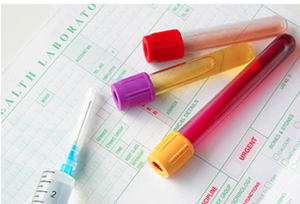
When working with someone with amenorrhea, I will test baseline ovarian, thyroid, and pituitary function through serum hormones such as:
- FSH & LH
- Estradiol (E2)
- Prolactin
- TSH
- AMH
- Insulin
- Testosterone
- Cortisol & DHEA
Naturopathic Approaches to Amenorrhea
As a naturopathic doctor, I work with individuals to determine their specific hormonal picture and possible root causes of the identified disruptions. The goal is to determine why your body stopped cycling properly in the first place versus simply achieving a menstrual period.
Lifestyle Modifications
Lifestyle factors directly influence the hormonal signaling pathways that regulate menstruation, making them foundational to recovery from amenorrhea. When stress levels are high, sleep is inadequate, or energy balance is disrupted, your body prioritizes survival over reproduction and shuts down non-essential functions like ovulation.
Nutritional Support
If you’re not eating enough, whether intentionally or unintentionally, your body won’t have the resources to make hormones or support a regular menstrual cycle. Energy availability is foundational, particularly for those with FHA. This means ensuring you’re consuming adequate calories to support your activity level and metabolic needs.
Beyond total calories, the quality and composition of your diet matter significantly. Your body needs sufficient dietary fats to manufacture steroid hormones like estrogen and progesterone. Protein provides the building blocks for hormone synthesis and helps stabilize blood sugar throughout the day.
Micronutrients play crucial supporting roles as well. Some minerals facilitate hormone production, while other vitamins support the health of reproductive tissues and calm the stress response. Working with a practitioner to identify and address deficiencies through both food and targeted supplementation can make a meaningful difference in restoring menstrual function.
Botanicals & Supplements
Botanical medicines & supplements are most effective when tailored to your unique hormonal picture rather than used in a one-size-fits-all approach.
Common botanicals or supplements I will use to help women re-regulate their cycles include:
- Vitex agnus-castus
- DIM & I3C
- Saw Palmetto
- Zinc
- Ashwaghanda
- Berberine
- Etc.
Restoring your menstrual cycle should be treated like the highly individual journey it is. Schedule your discovery call today to take the first step in working together. We will come up with a list of comprehensive hormone testing and a personalized treatment plan tailored to meet your unique needs.
References: