Wellness Minneapolis
  • Home
  • Appointments
  • Dr. Barrett
    • About Dr. Barrett
    • Holistic Hashimoto's Group
    • Mentoring
    • Dr. Barrett's Blog
  • Dr. Aidanne
  • Resources
    • Blog
    • Functional Medicine Bloodwork
    • Supplements
    • Recipe Box
    • Trusted Resources
    • Book List
  • Newsletter Signup
  • About
    • Naturopathic Medicine
    • Forms
    • Testimonials
    • FAQs >
      • Charm FAQ
  • Contact
  • Shop

Bone Broth- Ahead of the curve

4/2/2015

 
Picture
Authored by Dr. Barrett

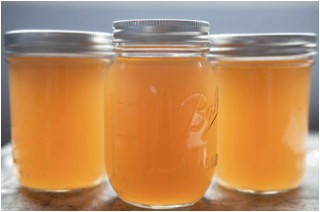
My patients know I have been a strong advocate of bone broth for years. There is nothing new about bone broth, except now it's trendy! Actresses are talking about it on Letterman, restaurants are opening up across the US centered around bone broth, and even Kobe Bryant is using it as a recovery drink! The concept of bone broth has been around for a very long time. 

Many Asian cuisines have a version of Long Life Broth, often a combination of whole birds and fresh or dried shellfish, with bones, feet and shells contributing their nutrients to the pot. In the 12th century, the “Jewish penicillin” cliché was born when the physician Maimonides wrote that chicken soup “is recommended as an excellent food as well as medication.” In the Caribbean, “cow foot soup,” rich with collagen, is eaten as a strengthening breakfast and for all sorts of ailments.
(Excerpt from this article in the New York Times on Bone Broth)

I recommend bone broth for patients with gastrointestinal inflammation and weakened immune systems specifically but it is a wholesome food that can benefit just about everyone. A study in 2000 showed that chicken soup (made from homemade chicken bone broth) reduced inflammation and symptoms of an upper respiratory tract infection. I have seen a lot of claims about the benefits of bone broth, some of which are a bit outrageous but overall I am very glad bone broth is becoming trendy. This means that we are getting back in the kitchen and cooking real food from scratch. What could be better for our health?

Make your own bone broth with our recipe here. 

Picture


Dr. Sara Jean Barrett is a licensed Naturopathic Doctor and co-founder of Wellness Minneapolis. She is also the Vice President of the Minnesota Association of Naturopathic Physicians and a Member of the American Association of Naturopathic Physicians. Click here to learn more about Dr. Barrett.



You Are what you absorb

3/30/2015

 
Authored by Dr. Barrett

A few weeks ago I posted about the importance of nutrition and how it impacts our health. Do you feel that you eat really well and still don’t feel great? Eating a varied diet that includes plenty of healthy fats, protein and fiber can go a long way, but sometimes there are more pieces to the puzzle.
If you eat lots of vegetables and fruits, limit sugar and processed foods but still have low energy, trouble concentrating or other signs of poor nutrition it could be that you aren’t properly absorbing the nutrients that you are eating. Most of our nutrient absorption takes place in our small intestine, so conditions that cause inflammation or damage to the tissues there can lead to malabsorption. Here are a few chronic conditions that will affect absorption of valuable vitamins, minerals, amino acids, fatty acids and more:
  • Celiac Disease (number 1 cause of malabsorption) - This condition is on the rise and currently 1 in 100 people have Celiac Disease although I have seen reports as high as 5 in 100. People with Celiac Disease develop intestinal inflammation in response to eating a protein in certain grains called gluten. The treatment for Celiac Disease is a strict gluten-free diet.

  • Hypochlorhydria - As we age it is very common to develop low stomach acid (hypochlorhydria) which can lead to a difficulty absorbing many nutrients including vitamin B12.

  • Gallbladder Dysfunction - If you have gallbladder sludge or stones and you aren’t producing bile properly it can be difficult to absorb fat. Some signs to look for: dry skin, greasy stools, low levels of fat-soluble vitamins (A, D, E and K) in your blood.

  • Antacid use (particularly proton pump inhibitors aka PPI's) - antacids lower our stomach acid making it more difficult to break down the nutrients in food, particularly minerals and vitamin B12.

  • Small Intestine Bacterial Overgrowth (SIBO) - When the beneficial flora in our GI tract are living in our small intestine rather than our large intestine they can interfere with breaking down and absorbing nutrients. Signs to look for: bloating and fullness soon after eating, intolerance to prebiotics (fermentable components of food that nourish the microorganisms in our GI tract such as inulin), and constipation.

  • Dysbiosis - This is a broad term for an imbalance in the flora that inhabit our bodies. In our GI tract the beneficial flora have many jobs that benefit our digestion, immunity, energy and mood. When foreign invaders take up space they can wreak havoc on our intestines and depress our overall health and wellness. 

  • Crohn's Disease -  This condition typically presents with diarrhea, abdominal pain and cramping, mouth sores due to ulceration and inflammation of the small intestine. The broad term is Inflammatory Bowel Disease and this condition is usually well controlled with naturopathic interventions.

This is by no means a comprehensive list of what can go awry in the GI tract and lead to malabsorption. If you suspect you have nutrient absorption issues, reach out to our team to put the pieces of your puzzle together.
Picture
Picture

Dr. Sara Jean Barrett is a licensed Naturopathic Doctor and co-founder of Wellness Minneapolis. She is also the Vice President of the Minnesota Association of Naturopathic Physicians and a Member of the American Association of Naturopathic Physicians. Click here to learn more about Dr. Barrett.

The importance of Nutrition

3/5/2015

 
Picture
Authored by Dr. Barrett
Where to begin? Nutrition is defined as “the process of providing or obtaining the food necessary for health and growth”. Our nutrition starts in the womb and our bodies are literally built from the food our mothers ate. As adults our tissues and cells are constantly being turned over, destroyed, recycled and rebuilt. When you use your muscles, either to walk or to lift weights, they are broken down and rebuilt from the amino acids (proteins) you ingest. Our cell membranes are recycled constantly and the fats that we consume become our new membranes. When we eat a diet higher in trans fatty acids our membranes are less fluid and less functional than when we eat more natural fats.

We truly are what we eat.

In addition to our food creating our bodies, it is the fuel we use to run all of the biochemical processes that take place every second of every day. Our bodies are constantly creating neurotransmitters, processing chemicals, creating hormones etc. Vitamins and minerals act as the ingredients that keep everything running smoothly. When we are stressed or exposed to chemical pollutants (an everyday occurrence for most people) we require extra nutrients. 

In our clinic we see patients suffering from chronic diseases and the first thing we talk about is nutrition. Every time you put food in your mouth you have the opportunity to nourish your body or harm it. The science behind nutrition is constantly changing. One day eggs are harmful the next they are good for you again. There is no one perfect diet that fits everyone. Use common sense and trust how your body feels. If it comes from a can, wrapper, box or bag, limit your consumption. If it comes from the earth, eat up in plenty!

Picture


Dr. Sara Jean Barrett is a licensed Naturopathic Doctor and co-founder of Wellness Minneapolis. She is also the Vice President of the Minnesota Association of Naturopathic Physicians and a Member of the American Association of Naturopathic Physicians. Click here to learn more about Dr. Barrett.

Put Your Blues Away for Another Day

3/3/2015

 
Authored by Jesse Haas, CNS, LN
Picture
Seasonal Affective Disorder (SAD) is a depressed mood that can happen during the winter when the days are shorter and darker. The lack of sunlight is thought to contribute to symptoms of SAD including loss of energy, mild depression, oversleeping, overeating and carbohydrate cravings. Fortunately there are several natural ways to combat these symptoms. 

  • Light therapy is one of the easiest natural ways to treat SAD. Special light boxes with up to 10,000 lux can be used to stimulate sunlight exposure and are available online. Spend 30 minutes directly facing the light box in the morning. Spending time outside every day can also greatly benefit a SAD sufferer.

  • Physical activity greatly improves depression, so explore ways to be active that are also fun for you. Try qi gong, yoga, zumba, rock climbing...anything that gets your body moving and grooving. You don't need special equipment or a gym membership to be active, simply find a buddy to bundle up and brave the cold with for a walk around your neighborhood!

  • Acupuncture, massage and other bodywork therapies all benefit mood disorders, including SAD. These manual therapies release endorphins, reduce stress and promote a feeling of general wellbeing.

  • There are several supplements that can also improve your mood, especially vitamin D. Vitamin D is a mood-boosting, hormone-like substance our bodies produce when our skin is exposed to sunlight, but from November through February we are unable to make vitamin D in Minnesota! It is important to have your levels checked and to start a proper dose of balanced vitamin D.

  • Omega-3 fatty acids, B-vitamins, melatonin, St. John's Wort and amino acids like 5-HTP and L-tryptophan can also be helpful. As with any new supplement program, it is important to talk to your naturopathic doctor about safe and appropriate doses for you. 

If you are feeling the winter blues and need a little help, schedule an appointment today!

Picture
Jesse Haas, CNS, LN is a licensed functional nutritionist and certified health coach. She was a founding partner of Wellness Minneapolis and was an active practitioner with the clinic from 2014-2022. To connect with her regarding functional nutrition and health coaching services, please follow this link.

#IHadNoIdea

2/24/2015

 
Picture
Authored by Jesse Haas, CNS, LN

I've sat down numerous times to write something profound and meaningful in honor of National Eating Disorder Awareness week (Feb. 22-28, 2015). Every time I do, I am reminded by how little of my experience with anorexia I understand. The hashtag #IHadNoIdea is part of this weeks' messaging to raise awareness and promote early intervention of eating disorders. It's bringing up something totally different for me.   

I started dieting when I was eight and spent years battling guilt, shame and embarrassment at breakfast, lunch and dinner. And I'm a lucky one. Though being anorexic took a toll on my body, I came to grips with it before any lasting (physical) damage was done. Now in my 30s I enjoy food most days of the year. I consider that to be a great gift. It truly is.

Maybe in response to this looming project, my anorexic self had an encore this past week. It was awful. I found myself eating my aunt's 60th birthday cake surrounded by family and friends who were integral to my healing process. And yet, as I took a second bite I found myself wishing the room was empty and all the lights were off so no one could see me. I felt like everyone in the room saw me eating cake. And even though they were eating cake too, they were judging me. Because I ate cake. 

There's a narcism there that can't be denied. The truth: no one cares that I ate cake. No one even gave it a single thought. But disordered eating is wrapping your identity up in what you eat or don't eat. It's a bond that is hard to untangle.

Jules Feiffer, a famous American cartoonist who drew parodies of himself was quoted saying: “I grew up to have my father’s looks, my father’s speech patterns, my father’s posture, my father’s walk, my father’s opinions and my mother’s contempt for my father.” 

I had no idea where I got my contempt for myself, but I sure am tired of it. But I could easily write an essay of #IHadNoIdea' s. 

#IHadNoIdea how to handle strong emotions. #IHadNoIdea where it was safe to express them.  #IHadNoIdea that how I saw/see myself isn't how others saw/see me. #IHadNoIdea that popular images of women are not real. They're not real. I am. I can't be like them. #IHadNoIdea that I didn't want to be like them. #IHadNoIdea what I was doing. #IHadNoIdea how to stop. #IHadNoIdea who would help me. #IHadNoIdea that being me, perfectly imperfect was exactly who I was/am supposed to be. #IHadNoIdea it would take this long to get better. #IHadNoIdea that being loved would teach me how to love myself. #IHadNoIdea how good it felt to feed myself nutritious, delicious food. 

And now I know. 

I hope you do too.

Tell your food story this week and let someone tell you theirs. Or better yet, prepare yourself a meal. A special meal. Set the table, light some candles. Sit down. Take slow, deliberate bites, enjoying every mouthful. Be present in every delicious morsel. You deserve it.


Picture
Jesse Haas, CNS, LN is a licensed functional nutritionist and certified health coach. She was a founding partner of Wellness Minneapolis and was an active practitioner with the clinic from 2014-2022. To connect with her regarding functional nutrition and health coaching services, please follow this link.

Fish Oil for Heart Health

2/9/2015

 
Picture
Authored by Dr. Barrett

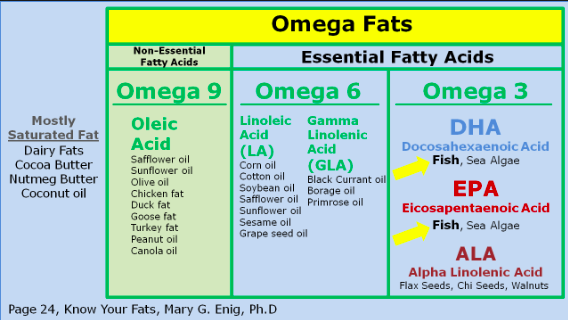
Eating a diet rich in omega-3 fatty acids can benefit your heart. Omega-3 fatty acids have shown promise for both prevention of cardiovascular events and treatment for people who are already having cardiovascular trouble. Historically, humans consumed roughly equal amounts of omega-6 and omega-3 fatty acids. In our modern diet we are consuming significantly higher amounts of omega-6 fatty acids. Approximately  20-30 times more omega-6 than omega-3! These fatty acids use a common enzyme which means that consuming more omega-6 will actually lower your tissue levels of omega-3.

Here is a helpful visual to better understand the food sources of omega-3 and omega-6 fats. 


Picture
Both the American Heart Association and the World Health Organization recommend regular consumption of oily fish in addition to other sources of omega-3’s such as flaxseeds and walnuts.  Several large population studies have shown that consuming omega-3’s, particularly from fish oil, can not only reduce the risk of cardiovascular disease but also reduces the risk of death from cardiovascular events. 

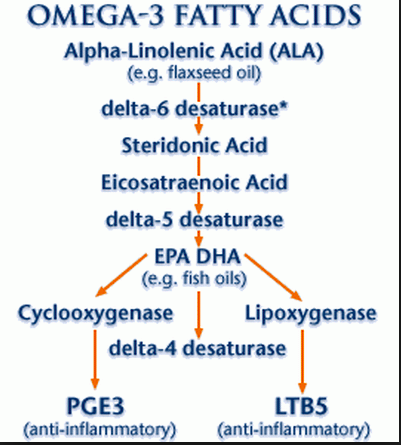
Not all omega-3’s are created equal. ALA,the main omega-3 in flaxseeds, undergoes several steps to be converted in to DHA and EPA. Fish oil provides both EPA and DHA which is easier for the body to use. 

 
When selecting fish to add to your diet you want cold water fatty fish. The best choices are Wild Alaskan Salmon, sardines and anchovies. If you aren’t able to get fish into your diet several times per week consider supplementing your diet with fish or cod liver oil.

When selecting a fish oil product make sure the company does independent testing on the oil for any contaminants such as mercury. You also want to see the amounts of EPA and DHA clearly indicated on the label. A good basic starting dose of fish oil is 1000mg of EPA and 750mg of DHA daily. For more personal recommendations please contact one of our naturopathic doctors.

If you would like more technical information about the benefit of omega-3 fatty acids in cardiovascular health please read my article published in the Journal of Alternative Therapies in Health and Medicine.


Picture

Dr. Sara Jean Barrett is a licensed Naturopathic Doctor and co-founder of Wellness Minneapolis. She is also the Vice President of the Minnesota Association of Naturopathic Physicians and a Member of the American Association of Naturopathic Physicians. Click here to learn more about Dr. Barrett.
Get your Vitamin D, Silly!

1/12/2015

 
Picture
Authored by Dr. Barrett

Vitamin D has been getting buzz for several years now and medical journals are teeming with new reasons why vitamin D is important. In a nutshell, we are finding that vitamin D acts more like a hormone than a vitamin. It plays an important role in cancer prevention, mood, our immune system and bone health to name just a few. Vitamin D is present in very few foods. Humans create vitamin D when the cholesterol in our bodies is struck by UV light through our skin. In other words, this is a sunshine vitamin!

Here are some scenarios in which you might not be able to make optimal levels of vitamin D:
  • Live at a latitude above 37° from Nov-Feb (that's anything north of Atlanta, GA in the US - MN is 45°!)
  • Using SPF above 8
  • Your sunlight is coming through a window
  • Having skin with darker pigment
  • Living in areas with elevated atmospheric pollution
  • Skin with excess subcutaneous fat (overweight)

It is important to have your vitamin D levels checked at least once per year to make sure you are staying in an optimal range. Remember, the 'normal' values next to your blood results represent the averages from the population. Our population is vitamin D deficient, so those numbers are depressed and do not represent an optimal level.

Check your numbers and make sure your serum vitamin D level is between 60 and 80 ng/ml.

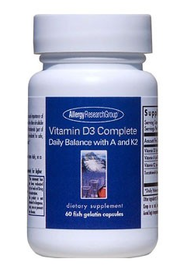
Since most of the population is deficient in vitamin D, especially during the winter, I often recommend taking a vitamin D supplement. The product I suggest most is Vitamin D3 Complete by Allergy Research Group. What I love about this product is that it combines all of the fat soluble vitamins in one pill. We competitively absorb our fat soluble vitamins so taking vitamin D all by itself can decrease your other fat soluble vitamins (A, E, and K). These vitamins also work together in the body. For example, vitamin D increases calcium absorption and vitamin K is instrumental in putting that calcium in to the bones. You always want to balance your vitamin D intake with vitamin K. Another tip is to take your D3 Complete with a meal that has some fat in it. Since these vitamins are fat soluble the fat in your meal with aide in their absorption.

When shopping for vitamin D make sure the product you are using is in the D3 form, has all four of the fat soluble vitamins, (A, D, E, and K) and does not contain any soybean or hydrogenated oils.

Have anything else to add about vitamin D and its importance? Please join the discussion below.


Picture

Dr. Sara Jean Barrett is a licensed Naturopathic Doctor and co-founder of Wellness Minneapolis. She is also the Vice President of the Minnesota Association of Naturopathic Physicians and a Member of the American Association of Naturopathic Physicians. Click here to learn more about Dr. Barrett.
Holiday Recovery

1/5/2015

 
Picture
Authored by Dr. Barrett
It’s that time of year again when we have overindulged a bit during the holidays and are ready to get back on track. One of our organs that takes the brunt of holiday food is our liver. The liver works to process those extra glasses of wine, sugary treats and fatty casseroles. If you are feeling a little bloated and sluggish it’s time to give your liver some love and attention. Here are some ways to gently support your liver. 

Take a little break from alcohol
  • Alcohol is very taxing to your liver. Even giving yourself a few days off is a big help.
Increase your fiber consumption
  • Fiber binds to hormones, toxins and other by products of the liver to remove them from the body. Increasing whole grains and vegetables is a good way to get more fiber.
Drink plenty of water
  • Shoot for 50% of your body weight (in fluid ounces) every day. Herbal tea and broth-y soups count.
Incorporate these foods to promote liver health:
  • Garlic
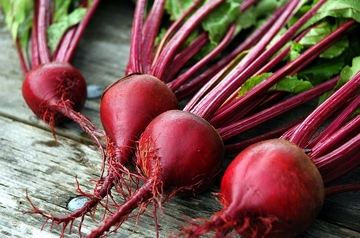
  • Beets
  • Green Tea
  • Leafy greens
  • Avocado
  • Olive oil
  • Artichoke
  • Lemons and Limes
  • Turmeric
  • Cruciferous veggies (broccoli, cauliflower, Brussels sprouts, kale and cabbage)

Here's a delicious recipe to show your liver some love!


In Health,
-Dr. Barrett

Picture

Dr. Sara Jean Barrett is a licensed Naturopathic Doctor and co-founder of Wellness Minneapolis. She is also the Vice President of the Minnesota Association of Naturopathic Physicians and a Member of the American Association of Naturopathic Physicians. Click here to learn more about Dr. Barrett.
Holiday Survival Guide

11/25/2014

 
Authored by Jesse Haas, CNS, LN
​

The holiday season is a wonderful chance to spend time with family, relax, and recharge.

Or not.

For many of us, the holiday season is stressful and exhausting, not to mention how it derails our good eating habits. In truth, the holidays can really a time to overdo and overeat. Here is our Holiday Survival Guide to keep your energy up, your health goals in focus, and your digestion calm.


Prioritize and Practice Saying ‘no’
The truth is, you don’t need to do it all.  That’s a tough lesson for many of us, especially those with children who have social lives of their own. Be reasonable about what you and your family can do this holiday season and only say ‘yes’ to the social outings and projects that feel energizing and exciting to you. True, true there are some unavoidable social obligations, but not nearly as many as we think there are.

Schedule Me-Time
Declining invitations means there’s more time to shop for holiday gifts and bake cookies, right? Wrong. Saying ‘no’ opens room in your social calendar for quiet, me-time. Schedule time for yoga, baths, and books – whatever replenishes you.

Breathe just a little bit deeper
Stress and anxiety restrict breath to our upper chest, which in turn contributes to stress and anxiety. Nice cycle, eh? Shallow breathing also results in shoulder and neck tension, headaches, and jaw pain. So quit it! Spend a few moments every day focusing on your breath, breathing deeply into your belly to sooth your nerves and calm your mind.

Belly breathing also eases indigestion – a common symptom of holiday indulgence. The diaphragm sits below our lungs and above our digestive organs. When we inhale, our diaphragm stretches downward compressing and massaging the digestive tract.

Here are a few other tools to prevent and sooth digestive woes:
  • Prevent overeating – and the gas and bloating that accompanies it – by serving yourself on a smaller plate. As a culture we love the Clean Plate Club, but overeating really isn’t that cool.
  • Be careful not to overindulge on things that you don't normally eat. If you follow a Paleo diet or have food intolerances, maintain your eating plan through the holidays to the best of your abilities. Don’t hesitate to ask family and friends to accommodate your special diet needs – most hosts prefer to prepare foods you’ll actually eat and enjoy!
  • Travel prepared. If you know you are going to have trouble saying ‘no’ to that delicious bread but you have trouble with gluten, pack enzymes that will help you digest the gluten (this is not a solution for anyone with Celiac Disease). Look for digestive enzymes that contain DPPIV. 
  • Other treatments for digestive woes:
    Heartburn: Rhizinate chews by Integrative Therapeutics. These licorice chews soothe your irritated esophagus.
    Heavy, full, bloated feeling: A splash of apple cider vinegar in water. Add it to warm water as a tea if you desire.
    Gas: Gas and Bloating tea by Gaia Herbs
    Constipation/diarrhea: Probiotics help regulate your bowel movements by adding the good bacteria your GI requires. Make sure to bring your daily probiotics with you on your holiday.
Picture
Note: Before starting a new diet or supplementation routine make sure to speak with your ND, MD, or DO. This post is for educational purposes only and is not to be taken as medical advice.

Picture
Jesse Haas, CNS, LN is a licensed functional nutritionist and certified health coach. She was a founding partner of Wellness Minneapolis and was an active practitioner with the clinic from 2014-2022. To connect with her regarding functional nutrition and health coaching services, please follow this link.

Energy Perks for a Groggy Day

10/11/2014

 
Authored by Jesse Haas, CNS, LN

I've been seeing a lot of sleepy clients this week, who haven't slept well due to the hot, humid weather we got hit with in the Midwest. Besides hitting the caffeine, how can you boost your energy after a night of tossing and turning? Here are a few quick tips that are guaranteed to perk you up:


Eat protein. When you've had a poor night's sleep, you're likely crave sweets and carb-heavy foods that provide quick energy. The trouble is that once you get on the quick-energy train, there's no getting off - you'll crave more sweets and will likely eat more total calories throughout the day...without actually feeling more energetic. This way of eating is hard on your adrenals (the stress-hormone producing endocrine gland), pancreas (the insulin-producing gland) and your waistline (found above your belt). Instead of tossing back a bowl of cereal for breakfast or snacking on fruit, chips or crackers, reach for a source of solid protein. Some good examples are eggs, meats, nuts and seeds. These foods will provide you with lasting and stable energy.

Move your body. When you're tired, likely the last thing you want to do is expend energy, yet doing so is just what you need to energize. To get the benefit of physical activity without the burnout of an intense workout, just take it easy. If you're a runner, go for a jog or walk instead. If you are a yogi, do some gentle Sun Salutations or an inversion or two. Even running up and down the stairs in your house a few times or doing jumping jacks will wake you up. Need some more ideas? Try these. 

Avoid caffeine. You think the only way you're going to get through the day is if you hook yourself up to a caffeine drip, but the truth is it will just make you shaky, hungry, and irritable. Instead of coffee or Diet Coke, try drinking water with lemon or cucumber slices in it. These fruits are refreshing and delicious. If you need a little pick me up try green tea, which is lightly caffeinated but won't throw you over the jitter edge (Speaking of tea, have you been to Verdant Tea yet? Best. Tea. Ever.).

Take it easy. Many of us do not have the luxury of sleeping in or taking the day off to recover after a poor night's rest. That said, can you expect less of yourself? Instead of performing at your peak, strive for good enough. That's right, I just gave you permission to slack off! Take advantage of it.

Finally, go to bed early. Got plans? Cancel them. Seriously, you need your beauty rest and that's that. No compromises.  

Picture
Jesse Haas, CNS, LN is a licensed functional nutritionist and certified health coach. She was a founding partner of Wellness Minneapolis and was an active practitioner with the clinic from 2014-2022. To connect with her regarding functional nutrition and health coaching services, please follow this link.
Forward>>

    Articles

    We hope you find this information helpful on your journey in wellness.

    Want more? Sign up for our newsletter.
    sign up

    RSS Feed

    Category

    All
    Acupuncture & TCM
    Autoimmunity
    Ayurveda
    Book Reviews
    Chiropractic Care
    COVID-19
    Detoxification
    Digestive Health
    Energy Healing
    Fertility
    Hormone Support
    Hydrotherapy
    Immune Health
    Kid's Health
    Mental Wellness
    Nutrition
    Pain
    Team Wellness

Picture

​

General

FAQs
Blog/Articles
​

Patient Resources

Patient Portal
Medicinary

Provider Resources

Mentorship

More Information

Contact
​
6001 Lyndale Ave S, Suite F
​Minneapolis MN, 55419
Phone: (612) 598-8627
Fax: (833) 792-0900
 Newsletter Signup
Find us on Instagram @wellnessmpls
Find us on TikTok @wellnessmpls
Thank you to Emma Freeman and Lizzy Fasching for many of the photos on this site.
© Wellness Minneapolis | All rights reserved