
Wellness Minneapolis
  • Home
  • Appointments
  • Dr. Barrett
    • About Dr. Barrett
    • Holistic Hashimoto's Group
    • Mentoring
    • Dr. Barrett's Blog
  • Dr. Aidanne
  • Resources
    • Blog
    • Functional Medicine Bloodwork
    • Supplements
    • Recipe Box
    • Trusted Resources
    • Book List
  • Newsletter Signup
  • About
    • Naturopathic Medicine
    • Forms
    • Testimonials
    • FAQs >
      • Charm FAQ
  • Contact
  • Shop

Energy Psychology and Healing: A missing Link to Full Body Healing

4/15/2019

 
Authored by Julie Schmit, MA
Picture
Are you a good candidate for energy healing?  When most people hear that term – or if they have had an energy healing before – they typically think Reiki, or chakra healing, or maybe shamanic healing.  What these practices have in common is that they derive from Asian or non-western indigenous peoples.  Fewer people know that there is a potent form of energy healing that comes to us from western psychotherapy: energy psychology. 

My purpose in this blog is to introduce you to energy psychology to help you understand why it is so valuable so that you can make good decisions in your pursuit of health through energy healing.  It is a cornerstone of my healing practice, Energy Healing and Relationship Guidance. Combining energy healing with energy psychology opens up an array of new ways to help you heal, learn and grow. 

In this two-part blog series, you will learn:
1)     What is energy psychology and how is it used?
2)     Energy psychology and the body
3)     How to get started with your own body/mind energy healing today

What is Energy Psychology: Part I
Energy Psychology, also known as body-centered psychotherapy, blends both mind and body into therapy in distinctive ways.  The domain of traditional psychotherapy - recurrent thought processes, emotions and behavior –– are combined in energy psychology therapy with the body’s physical sensations and its systems, such as the nervous and immune systems.  Therapy based on energy psychology has been found to be beneficial for treating an array of ailments, including trauma, anxiety, depression, chronic pain and stress, self-damaging behavior, and difficult to treat mind-body problems that may not respond to traditional psychotherapy.  There is even a learned society dedicated to its practice, the Association of Comprehensive Energy Psychology, so you can be assured that the practice stands on a solid professional foundation. 
Where did this distinctive form of therapy first appear in the West?   Elements of energy psychology first appeared in the West in late 18th century with mesmerism.  For the purpose of this blog, however, I am focusing on how energy psychology was shaped by Sigmund Freud’s psychoanalysis. 
 
Energy Psychology and Western Psychotherapy
From the earliest days of psychoanalysis in Vienna in the early 1900s, Freud and his first students paid special attention to the various ways the body’s sensations and emotions interacted.  In their therapeutic work, they referred to a “psychic energy” and how it shaped the sufferer’s experience.  They wove these observations into Freud’s ideas about how ego defenses operated to block growth and perpetuate repression and anxiety.   

One of Freud’s successors, Wilhelm Reich, took Freud’s ego-defenses in a different direction.  Reich proposed that “wounds” to the self were inflicted in early life. They may happen due to a hostile parent, or due to a lack of nurturing, or due to a parent rejecting a child’s natural expressiveness and creativity. These wounds become internalized and “preserved” in the unconscious as a part of the individual’s character structure.  Thereafter, the effects of the activation of this character structure becomes automatic and it operates independent of the conscious mind (Reich, 1933/1945 p. 154). Within the person, these processes create what Reich called “character armoring,” which as it sounds, is a kind of armor whose purpose is to protect, but inadvertently burdens the person.  As internal, unconscious structures they play a central role in psychological problems, in mind-body ailments and in other socio-emotional disorders (Corrington, 2003;  Reich, 1933/1945).  For Reich, the purpose of psychotherapy was to dissolve the armor (what Freud called ego defenses).  This in turn, provokes the memory of the childhood experience that was the impetus for the blockage in the first place (Greenberg & Saffron, 1987).  That realization was considered a key to healing and the dissolution of the armor.

In the mid-20th century, Reich became a highly controversial psychologist for some of his ideas and his work remains a topic of dispute.   His student, psychiatrist Alexander Lowen, however, took Reich’s work, incorporated it into his own advanced understanding of the human body and developed a therapeutic system called Bioenergetics.   Lowen’s system combined psychoanalysis, Reich’s character defenses, and a decidedly physical component: subconscious muscle tension. He introduced a number of compelling techniques to help “ground” mental and emotional states in the body with the understanding that doing so helped unlock a cure.  For example, in Lowen’s system, a client’s feet and legs become important.  By bringing conscious awareness into the lower half of the body, and out of the mind, compulsive thinking and psychological obstacles generated by the mind that resist healing, can be circumvented (Lowen, 1975). Lowen and another student of Reich’s, physician and psychiatrist John Pierrakos, founded a school of Bioenergetics, which In turn, was very influential in the formation of energy psychology. 

In Part Two in this blog series on energy psychology, I will describe the relationship between energy psychology and energy healing and show how energy healing can help you create an electric life you deserve with relationships that cherish you!

To experience energy healing and energy psychology yourself, schedule an initial phone consultation with Julie Schmit, MA, Energy Healer, Reiki Master, Relationship Guide and Marriage and Family Therapist. You can learn more about Julie and her work by visiting her website: www.julieschmit.com

References
Association for Comprehensive Energy Psychology (2019). https://www.energypsych.org
Corrington, R. (2003). Wilhelm Reich, psychoanalyst and radical naturalist. New York, NY: Farrar, Straus and Giroux.
Lowen, A. (1975). Bioenergetics. New York, NY: Coward, McCann & Geoghegan, Inc.
Reich, W. (1933/1945). Character Analysis (Higgins, M., Ed.).  New York, NY: Farrar, Straus and Giroux.     
©2019-2020 Julie Schmit, Shakti Bodyworks, LLC
 

Shoulder Pain

4/1/2019

 
Authored by Jen Myers-Jones, LAc
Picture
We frequently take our shoulder for granted until we encounter injury or trauma. The shoulder is actually several joints that combine with muscles and tendons that allow a wide range of motion. This provides us the ability to balance on a beam, bowl a perfect frame or hide a present behind our back. Due to its versatility, the shoulder is also one of the more commonly injured joints. Whether you tore the rotator cuff, fray a ligament deep in the tendons, have osteoarthritis or tendinitis, the pain can impact your daily life.  Pain can abruptly appear or sneak up with time and repetitive motions from sport or physical tasks, with pain levels fluctuating from subtle to agonizing.

Shoulder pain can include:
- pain that is worse with motion
- numbness and weakness of the shoulder muscles
- inability to rotate the shoulder or lift the arm over head
- Trouble sleeping due to pain

Acupuncture is a very effective way to treat shoulder pain, and in conjunction with fire cupping can help to move the stagnant energy thereby stimulate healing. Acupuncture reduces inflammation levels, bringing down swelling. Fire Cupping is like a deep tissue massage across your back, neck and shoulders. Bringing the combination of suction and movement, Fire Cupping releases the tight muscles and liberates frazzled nerves.

Using diagnostic tools from Traditional Chinese Medicine(TCM),  we will develop a treatment plan for your injury. This plan is based on your health history, including the length of time you have been suffering from the shoulder pain. If this is a recent injury the number of treatments could be as little as 5, while reoccurring shoulder problems can extend the number of treatments needed. Many patients state that they are able to get a more restful night sleep after treatment.

Self care for shoulder pain:
    ⁃    A warm bath in Epsom salt which is magnesium base and has a soothing effect
    ⁃    Magnesium oil which can be sprayed directly on the shoulder. I generally tell people to cut the strength of magnesium oil down to 1/3 oil, 2/3 water in a small portable spray bottle. The oil is very tacky and has directions to shower 20 minutes after use. By diluting the oil you can bring it to work or keep it on your night stand for when you wake with pain.
    ⁃    Topical ointments that can give relief. At Wellness Minneapolis we have a roll on essential oil blend by Veriditas Botanicals called “Just Plain Relief”, with a combination of peppermint and helichrysum essential oils. Helichrysum has major anti-inflammatory properties. The peppermint is there to vasodilate and penetrate the helichrysum deeper.
    ⁃    Ice or Heat can be helpful as anti inflammatory agents. TCM would always suggest a heat pack to encourage the healing process. That being said you are the best judge of what is helping, so try icing the shoulder or alternating between hot and cold.
    ⁃    Nourish your body with your best food choices. This can be a challenge when we are not as mobile as we wish to be. TCM would suggest bone broth or miso soup, and generally eating warm foods with ginger, and higher nutrients.
    ⁃    Rest, don’t overexert yourself physically. We have a tendency to push our limits when frustrated by our injury’s limitation. Think about using a brace or other device that limits motion. Healing takes time.

Acupuncture can help you lower pain levels, reduce inflammation, increase your range of motion, relieve stress and boost your immune system. Shoulder pain can hinder your work and lifestyle. Get back to your regular schedule with acupuncture.

Diet Doesn't Have to be a Four Letter Word

2/18/2019

 
Authored by Amber Hanson, LN
Picture
Photo by Travis Yewell on Unsplash
The word “diet” can feel so loaded. It has multiple definitions, the first being simply the foods a person usually consumes. However, for most of us, the word diet can be negative -  something restrictive, punishing, and of limited duration (because you just can’t do it another day!). As a nutritionist I often use diet in context of the first definition, the foods you eat habitually, but many clients come in thinking about diet framed by the second meaning.

I do think there are different kinds of diets, and I am not referring to keto, the cabbage soup diet, or raw foods.  Instead I like to look at diets as therapeutic, experimental, or habitual. The Institute for the Psychology of Eating has described a similar breakdown.  There is a good chance in the course of working with me you might try all three. 

Therapeutic diets are used as part of a treatment for a medical condition. It could require increasing or decreasing certain foods or nutrients, changing the consistency of food, or using a different pattern of eating. For example, following oral surgery you may be required to consume soft, liquid, or pureed foods until your mouth heals. Or if you have iron deficient anemia you may focus on increasing your intake of iron rich foods. For sodium sensitive individuals with high blood pressure a therapeutic diet could be one that reduces in the intake of salt. Therapeutic diets could be used for a limited amount of time or it could become a part of a habitual diet.

An experimental diet is something that is done for a limited amount of time in an effort to learn or gain information. The experimental diet I use most frequently with clients in an elimination diet. The idea is to remove several foods that could be problematic for a period of time. Eliminating foods and then carefully re-introducing them one at a time can help us determine if food is causing things like brain fog, fatigue, joint pain, or skin issues.  Again, like therapeutic diets, this information can be used to inform the habitual diet.

A habitual diet is how you eat the majority of the time. All of us have a habitual diet and this diet can change over time.  It can evolve as you try new foods that you decide to eat more regularly. It can also change based on what you learn during an experimental diet or based on needs as outlined in a therapeutic diet. Habitual diets can also change based on food availability and the seasons. It is natural to want to eat more fruits and raw vegetables in the summer when they are plentiful and the weather is warm. My goal for clients is to find a habitual diet that supports their healthiest and happiest self. The exact make up of this diet can vary from person to person. Sometimes it takes healing with a therapeutic diet or eliminating some foods in an experimental diet to find the mix that works best for each individual. 

Get to know Lynn Salmon-Easter

2/11/2019

 
Picture
Q: What made you choose to pursue your profession?
A: In all honesty, I feel as if energy healing chose me! I am simply saying YES!!  For the past couple of decades, I have been studying and focusing more deeply on self-care and wellness. In 2017, my father was declining with Lewy Body and Parkinson’s disease. As a way to elevate my own care, I signed up for a Reiki level 1 training. During the class my body was exhilarated and curious. Reiki felt so natural to me. I left the training hungry for more, knowing I would sign up for Reiki level 2. As my father continued to decline, I continued on my path of Reiki. One of the greatest gifts Reiki offers is you can perform the healing on yourself. After my level 1 training, I committed to daily practice in bed each night before drifting off to sleep. This practice became my centerboard through my father’s death and deepened and informed my growing curiosity about the loving and healing practice Reiki holds.

Q: What keeps you engaged in your profession?

A: The human connection of the work is what keeps me coming back. I love to go deep and feel the emotional and energetic intricacies of the world. Energy healing is my calling and I continue to say yes to the work each and every day.

Q: What kind of clients do you like working with most?

A: As a practitioner, my mission is to empower people to reconnect with themselves and to accompany them on their own paths of self-discovery and self-care. Looking ahead, my wish is to build a practice based on integrity and to work with open-minded individuals seeking to find balance and harmony in their lives. I also have a particular interest in working with individuals that have ongoing health challenges and have yet to reach their ideal wellness. For me personally, energy work was a missing piece to my optimal wellness. Once I learned more about healthy energetic boundaries, my health challenges began to decrease and balance returned to me.

Q: What are you currently working on in your professional life?

A: I am expanding my knowledge of energy healing through the accredited program of Healing Touch. Although both Reiki and Healing Touch are forms of energy healing, they each lend themselves well to different circumstances with clients.

Q: What is your favorite beverage?

A: I enjoy teas of all kinds. I am particularly fond of green tea. I find tea can be a terrific tonic, something you can sip on for leisure or you can turn to tea when you need a pick me up!

Q: How do you spend your free time?

A: I am particularly fond all of the trails and lakes we have to take advantage of here in the Twin Cities. I like to venture out with my family and our dog Harriet. I enjoy living locally and exploring all of the little shops and eateries in my neighborhood as well. Creating works of art, spending time in museums, knitting, hiking, cooking and canoe camping in the Boundary Waters are also some of my favorite pastimes.

Q: How do you celebrate living in your body?

A: I love to engage in activities that bring balance, alignment and harmony to my body. Yoga, meditation and chi-gong are just a few examples. Swimming has also been a big part of my life. Water makes me feel magical.

Q: What do you look for in a health care practitioner?

A: I look for someone that is compassionate and practices from their heart. When I work with a practitioner I want them to be a partner in my health journey. They need to be an advocate for my health and wellbeing by listening to me as well as applying their education, knowledge, and expertise.
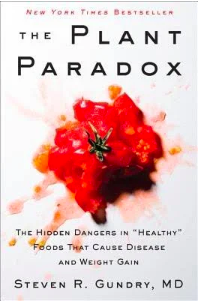

Book review: The plant paradox

2/11/2019

 
Authored by Dr. Sara Jean Barrett
Picture
In summary, Dr. Gundry is proposing that lectins, a protein naturally found in many foods are the culprit of a plethora of disease and by eating a low lectin diet you will find relief. In my opinion, Dr. Gundry took a concept that has been known in the holistic world for decades and has exaggerated and sensationalized it.

I get it, to sell a book you need to make some pretty wild claims, but the arrogance was a bit much for me. Statements like ‘no one has put it all together before’ really bug me. I guess he never read any of Dr. Peter D’Adamo’s books or research that has been widely available for the last 20 years. I don’t agree with all of Dr. D’Adamo’s work but I just don’t believe the claim that Dr. Gundry is the first person to figure out that there might be a connection with lectins and health. I picked a few other sweeping claims that I don’t agree with:


  • “If you have ever experienced brain fog, thank lectins”
    • Well, I can think of a few more reasons you may have brain fog: lack of sleep, stress, hormonal changes, blood sugar imbalances, and dehydration to name a few.
  • A runny nose from eating spicy foods is due to lectins.
    • I firmly disagree with this claim. Capsaicin and allyl isothiocyanate are compounds found in ‘spicy’ foods and they irritate mucous membranes. Head of pepper spray? That is made from capsaicin, not lectins.
  • Europeans are slimmer and generally healthier than Americans because their produce is naturally ripened unlike produce in the US that is artificially ripened with ethelyne oxide.
    • This would take a whole blog post to rebut I will just say that the list of how the US is different from Europe is very long. Consider Europe’s stringent regulation on chemicals, their more active lifestyle, better work culture, and higher quality of food in general. It’s a sweeping generalization to say the way their produce is ripened is the cause of the BMI disparity between Europe and the US.
  • Vitamin D toxicity doesn’t exist.
    • I will agree with him that I too haven't’ seen vitamin D toxicity in practice, but that does not mean it doesn’t exist! It also doesn’t mean that you should recommend people take 10,000 IU of vitamin D daily (his recommendation) especially when he didn’t talk about balancing vitamin D3 with vitamin K2 intake.

His fixation on ‘weight loss’ turned me off. He mentions weight in the first sentence of his book and continues to discuss trying to ‘lose weight’ as synonymous with health. As a proponent of health at every size this gets under my skin.

Let’s move on to the main content- the concept that lectins in foods are bad for all of us. I am not a fan of one size fits all for ways of eating so I should say that up front. Dr. Gundry speaks about lectins as if they are animate and out to damage our bodies- “the first mission of lectins is to pry apart what are called the tight junctions between cells in the mucosal wall lining your intestine”. It is true that lectins are made by plants as a defence mechanism against being eaten by predators but that does not mean that lectins are conspiring to kill us. According to MayoClinic.org “Lectins are naturally occurring proteins that are found in most plants. Some foods that contain higher amounts of lectins include beans, peanuts, lentils, tomatoes, potatoes, eggplant, fruits, and wheat and other grains.”1 Dr. Gundry argues that foods from the Americas have been in our diet for the shortest amount of time so those foods such as nightshades and  squash are particularly problematic because humans just haven’t had time to adjust to eating them. It’s an interesting argument but I just don’t think a low lectin diet is the answer to the multitudes of conditions he lists in his book. Dr. Gundry states if you are lectin sensitive, the negative impact outweighs any positive impact. Lectins have anti-cancer properties. I took the following paragraph from a research paper on lectins and digestive cancers:

“Phase III studies of the effect of plant lectins in cancer patients have shown favorable effects. The ability to induce cell death in a selective manner is a desirable attribute in anticancer therapy and, paradoxically, a trait most of the current chemotherapeutics lack but which lectins have shown. Hence, the growing interest in the study of the activity of plant lectins is due to the biological effects they exert on cancer cells, from identification of tumors to antitumor activity and, additionally, decreased side effects caused by chemotherapeutics.” 2

I suspect the truth about lectins is more complicated than just- lectins damage our bodies, don’t eat them. I have seen that a small number of patients with joint pain respond well to a low lectin diet but I have also seen hundreds of patients with conditions he lists in his book respond well to other dietary changes that are more moderate and inclusive of a variety of foods. His book did not sway my belief that we must approach every patient as a unique individual and what works well for one person’s diet might not work well for another person.

A short summary of my likes and dislikes of his food plan:

Like:
  • Unless you have cancer or a neurological disease he does recommend reintroducing lectin foods when prepared properly. This includes using a pressure cooker for beans and removing the skin and seeds of many foods (pepper, tomatoes, squash to name a few). I advocate eating the widest variety of foods possible so I appreciate that he encourages most patients to expand their food options after an elimination period.
  • He focuses on high quality foods and emphasizes that the majority of food be vegetables.
  • He discusses intermittent fasting and the health benefits.

Dislike:
  • In Phase 1 he recommends strong laxatives and antimicrobial herbs as a way to help rebalance the microbiome. Antimicrobial herbs damage the microbiome and should only be used when necessary.
  • The diet is very limiting. By removing beans, nightshades, squash, certain nuts and seeds and significantly reducing animal protein there isn’t much left to eat! See the safe food list here. 
  • He supports a high fat diet without the warning that there is a percentage of the population who’s cholesterol rises significantly on a high fat diet. I was surprised at this omission considering his background in cardiology.

He does talk about other issues outside of lectins, some of which I agree with and I listed those points below:

  • When we find foods that disagree with us, we try to cover it up (nexium, ibuprofen) instead of changing our diet and this will have long term consequences.
  • We should absolutely not be feeding animals foods that are not part their natural diet (cows being fed corn and soy for example).
  • GMOs are dangerous.
  • Our microbiome is critical for our overall health and wellbeing.
  • Antibiotics are destroying our microbiome.
  • Changes in farming techniques to move away from local, in season produce has negative impacts on our health.
  • Chapter 4 ‘Know Thy Enemy’ is all about other agents that damage our health such as endocrine disruptors, herbicides, artificial sweeteners, preservatives and more. I appreciate a conventional provider coming out against the toxic substances that have been normalized in our society.

I was surprised about his anti-animal protein stance in the book. I am disappointed with the two studies he cited to back up his claims about the dangers of red meat. Here is an excerpt from one of them:

“By examining the per capita availability of macronutrients and the major food groups for 170 countries we are able to identify that countries with dietary patterns that are higher in meat have greater rates of obesity and overweight and higher mean BMI. Considering the findings of adverse effect of obesity on the risk of other chronic diseases revealed by other studies as well as the environmental impact of meat production, the country authorities may advise people not to adopt a high-meat diet for long-term healthy weight management.”3

Countries with higher meat availability are also countries that are more developed and are raising animals in ways that contribute to poor health such as feeding them corn and soy, using high amounts of antibiotics in their feed and other questionable practices. The second study he cites as reason for avoiding red meat used two cohorts. One cohort was predominantly white males living in all 50 US states and the other cohort was women living in the US. In the results they state “Men and women with higher intake of red meat were less likely to be physically active, and more likely to be current smokers, drink alcohol and have higher BMI. In addition, a higher red meat intake was associated with a higher intake of total energy, but lower intakes of whole grain, fruit and vegetables.”4 So I find it hard to use this study to claim red meat is the problem.

I am not arguing we should be eating large amounts of red meat daily. My point is that we shouldn’t use this research to argue that red meat is bad for our health. Especially when the majority of the people in this study were likely eating conventionally raised red meat. That said, I did learn something completely new from this book. N-Glycolylneuraminic acid (Neu5Gc) is a sialic acid widely distributed in animal tissue and not produced in the human body. Red meat, some fish and some dairy are the dietary sources of Neu5Gc. Neu5Gc is found in high concentrations in human cancers and appears to set off our immune system. I read through some articles in PubMed and found that there is some data indicating Neu5Gc may be part of the reason that diets high in red meat consistently correlate with higher incidence of cancer. Dr. Gundry talks about this theory as if it has been proven and that does not seem to be the case. It’s interesting data and the most compelling argument against red meat I have seen because Neu5Gc would be just as prevalent in pasture raised meat as conventionally raised meat but I don’t think the truth has been flushed out yet.

In summary, I disagree with Dr. Gundry’s claims that a low lectin diet is a panacea. I think using a low lectin diet in select patients as part of a GI healing protocol is useful but so are many other strategies that holistic providers have been using for decades.


References:


  1. https://newsnetwork.mayoclinic.org/discussion/mayo-clinic-q-and-a-what-are-dietary-lectins-and-should-you-avoid-eating-them/
  2. Estrada-Martínez, Moreno-Celis, Cervantes-Jiménez et al. Plant Lectins as Medical Tools Against Digestive System Cancers. Int J Mol Sci. 2017 Jul; 18(7): 1403 (PMID: 28671623
  3. https://doi.org/10.1186/s40795-016-0063-9
  4. Pan, Sun, Bernstein, Shulze et al. Red Meat Consumption and Mortality: Results from Two Prospective Cohort Studies. Arch Intern Med. 2012 Apr 9; 172(7): 555–563. PMID 22412075

Picture
Dr. Barrett believes that effective healthcare is a collaborative partnership between the patient and the provider. She wants to break down the hierarchy that often exists in healthcare systems. She strives to build strong relations with my patients and inspire them to make lasting changes in their health. Dr.Barrett's  goal is to dig into the root cause of your conditions and help initiate whole body healing. She is an avid student of holistic healthcare and  constantly brings new information into my practice. No two people are the same, and she creates personalized treatment plans that reflect her patients unique health care needs. Dr. Barrett has been in practice since 2012. Learn more about Dr. Barrett by visiting her professional website.

Pain Free 2019: Low back pain and 4 steps to begin healing

1/14/2019

 
Authored by Anna Forliti
Picture
Low back pain is no laughing matter. It is a leading cause of disability. It has a huge negative effect on the economy. And all too often low back pain leads to prescription drug addiction, cortisone shots, and surgery.

More impactful than the statistics and the studies is the real life story of how it affects you and your life. Pain is affects the quality of your health, your relationships, your work, your happiness and peace of mind. If you are feeling frustrated and hopeless you are not alone. Deep inside, you know there has to be another way.
 
You don’t want to follow the symptom treating crowd that tells you that you need a quick fix. You are courageous, tenacious and savvy — ready to take action to address the cause, because you believe in your body’s amazing ability to heal. You just need a little guidance on how to get there.
 
What causes low back pain?
There are many things that can contribute to low back pain. Injuries and accidents are one way that low back pain may show up. Often times, these injuries can be prevented by lifestyle changes which I talk more about below. Sometimes low back pain creeps up on us over time. As our bodies adapt to our environments (sitting too much, spending too much time at a computer or in a car, etc.) we can develop postural imbalances that eventually lead to pain and limitations.
 
My experience with low back came on after the birth of my second child. My son’s birth was not the cause of my pain, rather it was the final straw that pushed me further out of balance and into pain.  I’ve been there. I had chronic pain and it changed me - 
  • Taking my thoughts – leaving me less focused, less patient and less present in my relationships.
  • Taking my actions – forced to change my activities and life to accommodate for the pain and limitations.
  • Taking my time, energy, and money – feeling frustrated and hopeless after trying many things without any lasting relief.
  • In a sense, the constant stress sucked the pure joy out of each day.
 
So on some level I get you and what you are going through. And I’ll share some things that helped me to eliminate my pain and remain pain free over the past 13 years. As a posture expert I have years of experience helping people discover how they can heal from chronic pain.
 
4 basic things you can do to both prevent and heal from low back pain:
 
1.  Bring your body back into balance by addressing your postural alignment.  
When your joints are aligned, then you are moving more efficiently through your joints and are not putting undue pressure on your spinal discs. Also if you are aligned then your muscles are balanced and there is no need for muscle tension or pain. 
 
I highly recommend having your posture assessed by a postural alignment expert where you receive an individualized and holistic approach to your healing focused on getting to the cause of pain. This process includes assessments, posture photos, and menus of exercises designed to realign your body to create more balance in your body so you can begin to eliminate the pain. 
 
I offer a complimentary 15 minute consult where you can learn more and I would love the opportunity to connect with you.
 
2.  Stay hydrated.
Your body is made of mostly water and every system in your body requires water to function efficiently. For example, water helps to remove toxins from your body, carry nutrients and oxygen to your cells, aid digestion and prevent constipation, cushion joints, protect organs and tissues, regulate body temperature, heartbeat and blood pressure, and so much more!
 
Begin with drinking a minimum of eight 8-ounce glasses of water daily. Water intake should be individualized and will vary depending on factors like the temperature of your environment, your weight, how active you are.
 
3.  Healing foods.
Inflammation in the body contributes to chronic pain. Be mindful of the foods you are putting into your body and whether they are promoting healing or creating more inflammation.
 
A few of the standard inflammatory foods to avoid include:  sugar, dairy and gluten.
Incorporating lots of colorful veggies, healthy fats and proteins will make your body happy.
 
4.  Move in anyway that feels good to your body. 
Do your best to avoid positions and movements that intensify pain. Be creative about finding new ways to move that feel good to your body. And then as you begin to address the underlying causes you find find that your body will be able to do more and more.
 
I invite you to reach out and connect with me if you have any questions.  

Wishing you a happy, healthy, and pain free 2019!!!

​~Anna

MICROBIOME

12/10/2018

 
Authored by Dr. Sara Jean Barrett

Picture
We have trillions of microorganisms (bacteria, viri, parasites) living in our intestinal tract. This is called the microbiome or gut microbiota. Your microbiome starts to develop the moment you are born and complete colonization occurs within the first three years of life. Factors such as mode of delivery, antibiotic exposure, and feeding patterns determine the health of your particular microbiome. The microbiome is constantly in flux the rest of our lives. What we are exposed to, how we eat, our stress levels and more all influence our microbiome. For example, exposure to furry pets in infancy and young childhood reduces the risk of atopy (allergies, eczema and asthma) and being overweight by increasing levels of certain organisms. It is even more beneficial if you grow up on a farm! Starting at birth, our microbiome helps train the developing immune system. The commensal (good) microbes can directly attack the disease causing microbes signaling to the human immune system when to launch an attack. This training also includes teaching the immune system to ignore harmless stimuli (such as pollen or even self tissue). Without this critical training we are more at risk for conditions such as autoimmune disease and allergies. When our gut microbiome is in a stable, harmonious place this is called ‘symbiotic’. When our microbiome is unstable or out of balance it is called ‘dysbiotic’. We are finding that a dysbiotic flora or dysbiosis is a factor in many conditions. Our microbiome plays a significant role in many aspects of our health ranging from the obvious gastrointestinal conditions such as IBS, constipation, diarrhea, and inflammatory bowel disease to the less obvious such as psychological resilience, mental health, autoimmune disease, allergies and much more.
 
We know what we eat significantly impacts the health of our bodies and it also significantly impacts our microbiome. For example, one study found that switching from a low fat, plant polysaccharide rich diet to a high fat, high sugar (standard American diet) shifted the entire microbiome in one day. One day! The majority of our microbiome lives in our large intestine and they feed off of the food we eat. At the end of this article I list out some ways to feed your beneficial flora.
 
Last year a comprehensive review of recent research in the microbiome-gut-brain axis revealed that the vagus nerve plays an important role in the communication between the gut and brain. The exciting part is that the information is bidirectional. That’s right, your ‘gut instinct’ is now backed by science. They have even gone as far as looking at the microbiota of people who stay calm during stressful events and found they share common microbiome traits. So there might be a correlation between resilience and your microbiome. Are you getting a sense of just how important the microbiome is to your health? Data published in March of this year shows that social stressors can change the microbiome in hamsters and that the bacteria present in the GI tract prior to social interactions predicted outcomes of those interactions. The hamsters that ‘won’ in the social interactions had similar microbiomes. Pretty incredible.
 
What do we do with all of this information? Don’t run out and spend a lot of money on one of these new stool tests that will tell you all about your microbiome. They are interesting but not very clinically useful, yet. I am excited about the possibilities for medicine as we continue to learn more. Predicting health based on your microbiome and altering it to improve your health is very exciting. For now, consider how your eating habits and vagal nerve health can positively influence your microbiome.
 
Take home tips:
 
As mentioned above the vagus nerve is an important connection between the gut microbiome and the brain. Healthy vagal tone is indicated by a slight increase in heart rate when you inhale and a slight decrease in heart rate when you exhale. You can increase your vagal tone with any of the following activities:
  • Deep diaphragmatic breathing with a slightly longer exhale
  • Loving kindness meditation
  • Singing, especially singling loudly enough to us the muscles in the back of your throat.
  • Gargling at least once daily, loudly to use the muscles in the back of your throat.
  • Laughter- the deep belly shaking eye watering laughter.
 
You can keep your microbiome healthy by:
  • Consuming fiber daily from a variety of sources. It is an important food source for your microbiome. Most patients in my practice are not consuming enough fiber in their diets. I recommend around 30-35g daily on average but that changes depending on the individual.
  • Minimizing processed and high sugar foods in your diet.
  • Consuming fermented foods
  • Avoiding excessive use of antibiotics.

 
Resources:
Yang, Irene, Elizabeth J. Corwin, Patricia A. Brennan, Sheila Jordan, Jordan R. Murphy, and Anne Dunlop. “The Infant Microbiome: Implications for Infant Health and Neurocognitive Development.” Nursing Research 65, no. 1 (2016): 76–88.
Tun, Hein M., Theodore Konya, Tim K. Takaro, Jeffrey R. Brook, Radha Chari, Catherine J. Field, David S. Guttman, et al. “Exposure to Household Furry Pets Influences the Gut Microbiota of Infants at 3–4 Months Following Various Birth Scenarios.” Microbiome 5, no. 1 (April 6, 2017): 40.
Turnbaugh, Peter J., Vanessa K. Ridaura, Jeremiah J. Faith, Federico E. Rey, Rob Knight, and Jeffrey I. Gordon. “The Effect of Diet on the Human Gut Microbiome: A Metagenomic Analysis in Humanized Gnotobiotic Mice.” Science Translational Medicine 1, no. 6 (November 11, 2009): 6ra14.
Lima-Ojeda, Juan M., Rainer Rupprecht, and Thomas C. Baghai. “‘I Am I and My Bacterial Circumstances’: Linking Gut Microbiome, Neurodevelopment, and Depression.” Frontiers in Psychiatry 8 (2017).
Georgia State University. "Social stress leads to changes in gut bacteria." ScienceDaily. ScienceDaily, 8 March 2018.


Picture
Dr. Barrett believes that effective healthcare is a collaborative partnership between the patient and the provider. She wants to break down the hierarchy that often exists in healthcare systems. She strives to build strong relations with my patients and inspire them to make lasting changes in their health. Dr.Barrett's  goal is to dig into the root cause of your conditions and help initiate whole body healing. She is an avid student of holistic healthcare and  constantly brings new information into my practice. No two people are the same, and she creates personalized treatment plans that reflect her patients unique health care needs. Dr. Barrett has been in practice since 2012. Learn more about Dr. Barrett by visiting her professional website.

Habit is Stronger Than Motivation

11/5/2018

 
Authored by Amber Hanson, LN
Picture
Photo by Jessica Lewis on Unsplash
Have you ever had that experience of pulling into your garage after work and realizing you have no idea how you got there?  It is kind of like your brain is on autopilot. This is an example of habit in action. When you do the same thing day after day your brain doesn’t need to think as much about doing, it just does. In the case of driving it is a little scary to check-out like that but for something like going on a run when you get up in the morning or taking a few deep breathes when you start to feel stressed out, habit is great.

Contrast that with motivation. Motivation can be powerful as well – it is the desire to do something. I like to think of it as the spark. The thing with motivation is that for most people it is fleeting. Take, for example, reading an article about someone completing their first half marathon. The article is inspiring, it makes you want to run a half marathon.  You decide tomorrow morning you will get up early and go for a run. Fast forward to the next morning when your alarm is going off an hour earlier than usual – are you still feeling motivated?  For some the answer is yes, they hop out of bed and go for a run. For many of us the answer is no, hitting the snooze button is much more appealing in the moment.

Back to the driving example, you didn’t always work at the same place or live in the same house, so your brain needed to learn the driving route before it could be habit. It is the consistent repeating of a behavior - over and over and over again - that turns it into habit. The good news? You can teach yourself new habits!  The not so good news, it is going to take some practice. But the reward is that new behaviors switch from fleeting motivation to autopilot habits.

The formation of a habit always starts with a cue (like leaving work), followed by a response (driving home), and a reward (seeing your family). Responding to a cue in the same way over and over creates a habit.  Do you remember when you first started at your new job location?  You had to think about which streets to take and when to turn, pay attention to the locations of traffic signals and signs, and think about not driving to your old job location. Maybe you even turned the radio off the first time you drove the route so your brain could concentrate with less distractions because it was working hard to figure out this new thing. That experience of first driving to a new job is an example of building or changing a habit.

To form a new healthy habit, you need to practice your response to a cue repeatedly until it becomes automatic. To break an unhealthy habit, you need to become aware of your cues so you can stop the automatic behavior that follows. To develop a habit like running in the morning the cue of the alarm clock needs to elicit the response of getting out of bed and changing into running clothes. You need to break the response of hitting the snooze button. The reward for running might be more energy and a sense of accomplishment. Hitting the snooze button on the other hand might feel good in the moment but the reward is short lived.

Thankfully a number of people have studied habit and habit changes and pulled together some tips to help the rest of us. A few of my favorite come from Gretchen Rubin’s book Better Than Before, a book full of tips on breaking and establishing habits. Here are a few strategies to try when changing a habit with examples.  

  1. Monitoring. This might look like writing what you eat in a food diary or tracking the miles you run during your workout. Monitoring helps you pay attention to things you want to change, keeping it top of mind. A monitoring tool like a food diary can also help you discover cues to certain behaviors.

  2. Accountability. This could be making a workout date with a friend or scheduling an appointment with a licensed nutritionist to improve your diet. Having an appointment makes it harder to make excuses not to do something.  And when working with a professional, if you are struggling with change, they can help you break the change down into more manageable pieces and help you work through what is blocking your progress.

  3. Build a Foundation. This is the idea that if you have some basics in place it is easier to cultivate new healthy behaviors. To build a strong foundation, I often encourage clients to start a morning routine.  It can be as easy as making the bed every morning, drinking a glass of water before having coffee, or stretching for 5 minutes after getting out of bed. Consistently doing these smaller behaviors proves to yourself you can establish a habit. And doing them first thing in the morning gives that sense of accomplishment for the whole day which can lead to additional healthy choices throughout the day.

These are just a couple of many strategies that can be used to change the spark of motivation into a sustainable habit. Not every strategy works for every person so try out a few different options and see what works for you and, of course, if you need additional accountability and support schedule an appointment!

Tonsillectomy

10/3/2018

 
Authored by Dr. Sidney Pharis
Picture
What are tonsils, anyway?
Let’s begin with a short anatomy and physiology review of the tonsils, and for the sake of being inclusive, let’s discuss the adenoids as well. Tonsils and adenoids are a part of the immune system and the body’s first line of defense. Our tonsils are the two round lumps found in the back of the throat, and our adenoids are located higher up in the throat behind the nose and roof of the mouth. The role of these glands is to sample bacteria and viruses that enter through our mouth and nose and to provide a first line of defense against the external world.
 
Swollen and enlarged tonsils is a very normal symptom for children to experience from time to time, and typically indicates the immune system is on heightened awareness to protect and clear an infection in the upper respiratory tract. In normal functioning tonsils this enlargement and swelling is transient, with their size decreasing after the body clears the insult it has encountered. Unlike adults a child’s immune system is immature and constantly learning, making it normal for children to have more upper respiratory infections relative to adults. That said, chronically enlarged and habitually infected tonsils can be a sign of underlying dysfunction and can pose secondary health concerns for parents.
 
When are tonsils problematic?
Chronically enlarged and swollen tonsils can pose secondary health concerns and symptoms such as snoring, frequent waking at night, or difficulty swallowing. In extreme cases tonsils may be large enough to cause obstructive sleep apnea (OSA) when a child is lying down. If your child suffers from any of these symptoms it’s important to have a health care practitioner assess them in the case of more serious pathology.
 
Uncertain if your child might be suffering from enlarged tonsils? Here are some common symptoms to look for:
  • Mouth breathing
  • Noisy breathing
  • Snoring or snorting at night
  • Restlessness during sleep and/or pausing in breathing for a few seconds at night (possible sleep apnea)
  • Difficulty eating or swallowing, and reduced appetite
  • Chronic runny nose
  • Recurrent ear infections
  • Changes in the ability to talk, loss of voice
 
Conventional management of enlarged tonsils is limited, with typical recommendations residing at opposite end of the spectrum: watch-and-wait or surgical removal. Tonsillectomies (and tonsilloadenoidectomies, or T&A for short) are one of the most common surgeries performed on children1, however, the number performed has dropped significantly over the past few decades due to the possibility of acute complications from surgery. Approximately one in five children who undergo a tonsillectomy experience a complication such as difficulty breathing or prolonged bleeding1.
 
Additionally, studies have shown long-term health complications as an outcome from childhood removal of tonsils and adenoids. A study published in 2018 by the Journal of the American Medical Association looked at long-term implications of removing tonsils in childhood. More than one million individuals in Denmark who had tonsils and/or adenoids removed between 1979 and 1999 were followed up to age 30. Results revealed a 2- to 3-fold increase in diseases of the upper respiratory tract, a 17% increase in the risk of general infectious disease, and an overall increase in allergies2.
 
Taking this study into account, it seems reasonable to follow a watch-and-wait approach. But if you are a parent of a child who suffers from any of the previously mentioned secondary concerns you know firsthand how hard it is to sit back and watch your child experience any level of discomfort. To all of you parents, you’ll be happy to know there is a lot you can do to help improve your child’s sympomts.
 
Naturopathic management of chronically enlarged tonsils
Every child has a unique set of circumstances contributing to their state of health including birth history, previous illnesses, diet, environmental exposures, sleep, hydration, genetics, and so much more. Each of these elements needs to be taken into consideration when searching for underlying causes of why a child has chronically enlarged and/or infected tonsils. However, one item we can safely assume these individuals have in common is inflammation. Put simply, inflammation is an immune response and the body’s attempt to protect itself. In the case of chronic inflammation, one or multiple persistent immune challenges may exist. Identifying and removing these insults often can provide significant resolution in symptoms.
 
Investigation of immune challenges includes looking at both dietary and environmental exposures. Common dietary culprits include dairy and refined sugars, but in some individuals the removal of only these two food sources may not be enough. Looking at an IgG/IgA food sensitivity panel is helpful in these cases as it can target specific foods contributing to an individual’s chronic immune response. Similarly, investigating and removing specific environmental insults such as mold, dust mites, and animal dander can provide significant improvement. Using a HEPA filter in the child’s bedroom and home can be useful to help remove these environmental irritants.
 
General immune and upper respiratory support through diet and supplements is also necessary. In addition to limiting inflammatory foods it’s important to consume a whole-foods diet rich in vitamins, minerals, antioxidants, protein, and healthy fats. Supplementation with items such as larch arabinogalactans, elderberry, vitamin C, zinc, probiotics, and various homeopathic remedies help support normal immune function and decrease inflammation.
 
** The above information is for informational and educational purposes only, and is not intended as a substitute for medical professional help, advice, diagnosis, or treatment. If you have concerns about your child’s health, please consult with your doctor for proper assessment and treatment.
 
RESOURCES:
  1. C McCarthy. Harvard Health Publishing, Harvard Medical School. March 20, 2018.  Does your child need a tonsillectomy?
  2. S. Byars, S Stearns, J Boomsma. Association of Long-Term Rick of Respiratory, Allergic, and Infectious Disease With Removal of Adenoids and Tonsils in Childhood. JAMA Otolaryngol Head Neck Surg. July 2018; 144(7):594-603.
  3. American Academy of Otolaryngology; 2018. Tonsils and Adenoids, Patient Health Information; https://www.entnet.org/content/tonsils-and-adenoids.


when nature teaches us

7/30/2018

 
Authored by Erica Wallace Moore
Picture
When was the last time you went to the ocean? I mean really visited it and immersed yourself in the salt water? How about on a perfect summer day? You first walk from the beach and the water flows over your feet, and it feels like a warm bath?

On the day before I turned 40, I experienced a perfect day at the Atlantic ocean. It was sunny, the heat index was 90 degrees. The ocean was perfectly soothing. I giggled all day as wave after wave gained momentum and washed over me.

At one point in the afternoon I settled down to savor what was happening. I was in a state of least resistance. My husband asked me why when every wave came rolling in did I turn around. I told him it hurt my chest when the waves crashed. It felt so much better to let the wave cascade over my back and shoulders. I tried different tricks. I ran forward toward the beach with the waves carrying me. I hopped forward. I swam with the waves.

And I understood this vibrationally... I have no idea when or where any of those waves began. They could have started in the middle of the Atlantic or all the way on the coast of Africa. But I do know each wave began in the past and I was only feeling its momentum in the present. And I had a choice:

Face each wave head on and feel the pain as it slammed into my chest, or get ahead of the wave and let it roll through and over me. Once I knew which way I wanted to face waves, I understood I can experience that what ever comes my way in a state of meditative peace.

Waves will come into your life even on perfect days. And we can even sense them coming if we tune in and listen to the sound as it gains momentum.

All you have to remember is that waves begin in the past and you are experiencing the momentum in the present.

You can face the wave if you want to. Or you can find the place to be ahead of it when does come and just let it flow, let it roll, and let it wash over you.

When the wave comes and you allow it, it'll only guide you to a safe shore. Remain in the present moment while looking ahead to the shore.

How Chi Nei Tsang (abdominal massage) can help you find balance

7/16/2018

 
Authored by Amy Daws, CMT
Picture
Photo by Jeremy Thomas on Unsplash
What is Chi Nei Tsang?
Chi Nei Tsang is a form of abdominal massage that is rooted in Taoism. It focuses on clearing energetic and physical blockages in the abdomen so that the Chi (energy) can flow smoothly. 

​Chi Nei Tsang treatments:
  • Address the digestive, nervous, muscular, respiratory, and immune system
  • Promote detoxification and stimulation of the internal organs
  • Increase personal connection to body and breath
  • Support emotional balancing

Who is a good candidate for Chi Nei Tsang?
Most people can benefit from Chi Nei Tsang, BUT it can be especially helpful for:
  • Someone who is having digestive issues: constipation, bloating, diarrhea, acid reflux, diagnosed with SIBO
  • Someone who is wanting to address scar tissue and tension from a surgical procedure in their abdomen
  • Someone who reports a lot of stress and/or sleep difficulty
  • Someone who is feeling emotionally stuck and/or working with a mental health professional to address depression, anxiety, excessive worrying, grief
  • Someone who is experiencing chronic muscular pain/tension
  • Someone who could use support in connecting with their body in a positive way

What is a Chi Nei Tsang session like?
Sessions start with a thorough intake focused on the client's goals for the session, their health history, energy levels, sleep/digestion patterns, physical activity, and where any pain in the body is felt.
The client will lay on the massage table face up and bring shirt up and shimmy pants down to pubic bone to expose abdomen. We will start with connecting to the breath and having the client sense areas of tension in the abdomen and whole body. I will use manual technique with oil and essential oils to increase circulation, break up areas of tension, stimulate organs, clear pathways of elimination, etc. We may also do specific breathwork or mediations based on the client's needs.

Between sessions:
I like to give homework! Homework depends on the client's goals for the sessions. I may have them do daily abdominal breathing, self massage, or meditation. I often also recommend an observational exercise related to their goals. 

Feel free to contact me with any questions you have about Chi Nei Tsang and how it could benefit you. 

What's the Deal with the "BAD" Cholesterol?

7/2/2018

 
Authored by Dr. Cassie Wilder
Picture
There is a lot of talk about high cholesterol being the ultimate risk factor for cardiovascular disease. While I think that having high amounts of cholesterol is not beneficial to your heart, I also want to talk about a different perspective.

What if it’s not the amount but the status of your cholesterol that is the most harmful?
 
An underutilized blood biomarker can potentially predict just how risky your cholesterol is and it’s called oxidized LDL. You may recognize LDL as the ‘bad cholesterol’ as its sent out by the liver to do all sorts of anti-inflammatory, hormone building tasks, while its counterpart HDL ‘good cholesterol’ is the scavenger that brings all those LDL’s home, removing them from the blood stream. Researchers are finding that LDL may not be inherently bad, meaning that if well taken care of, they can actually do their job correctly without contributing to heart disease. So how do you know if yours aren’t being well taken care of?
 
That's where OX-LDL comes in. When your LDL become oxidized (sort of like salmon becoming rancid and foul if you left it sitting on the counter all night) it makes your LDL become stickier and prone to plugging up your arteries. What types of things increase free radicals and cause your LDL to become oxidized?
  1. Cigarette smoking
  2. Consumption of sugars or having blood sugar dysfunction, like type 2 diabetes
  3. Immune system activation (autoimmunity, chronic infections)
  4. Inflammation (i.e. from chronic pain, gut dysbiosis, ‘leaky gut’ and autoimmunity, amongst others)
  5. Stress (from cortisol excess)
 
You’re probably wondering how you would know if you have high levels of oxidized LDL. Well, some assumptions can be made based on how many diet and lifestyle risk factors you have that contribute to oxidation. However, the best way to know is to do blood testing. Once we have a numerical value on your OX-LDL, we can make a personalized plan just for you that takes into account all of your health history, family history, genetics, and lifestyle needs.
 
There are many ways that you can naturally deal with oxidative stress and you would guess, antioxidants are generally the treatment of choice. A few treatments that have been studied to decrease the number of OxLDL include vitamin C1, vitamin E2, and the Mediterranean Diet3! As a Naturopathic Doctor with a passion for heart health, I’ve found that it’s not always about just treating the oxidation status – a well designed treatment plan takes into account the whole person and helps you eliminate the cause of your free radicals. Whether that be help with smoking cessation, nutrition counseling, or correcting autoimmunity, you have to treat the whole person to achieve optimal heart health.
 
 
References
  1. Pancorbo D, Vazquez C, Fletcher M. Vitamin C-lipid metabolites: uptake and retention and effect on plasma C-reactive protein and oxidized LDL levels in healthy volunteers. Medical Science Monitor: International Medical Journal Of Experimental And Clinical Research [serial online]. November 2008;14(11):CR547-CR551. Available from: MEDLINE Complete, Ipswich, MA.
  2. Huang Z, Liang C, Han S, Wu Z. Vitamin E ameliorates ox-LDL-induced foam cells formation through modulating the activities of oxidative stress-induced NF-κB pathway. Molecular And Cellular Biochemistry [serial online]. April 2012;363(1-2):11-19. Available from: MEDLINE Complete, Ipswich, MA.
  3. Fito M, Guxens M, Corella D, et al. Effect of a traditional Mediterranean diet on lipoprotein oxidation. Arch Intern Med. 2007;167:1195-1203.

Let's Hear it for the Boys: Preconception Sperm Health is More Important than you Think

6/18/2018

 
Authored by Dr. Lori Hulsing
Picture
Historically female fertility has received the spotlight (and blame) around baby-making and male fertility has been largely ignored by doctors and scientists alike. Only recently have researchers investigated how the health of the sperm influences conception, pregnancy outcomes, and the health of the baby. The omission of sperm health in studies and medicine has been a huge blunder considering that 50% of the genetic information is coming from the sperm. Focusing on this would likely prevent many couples from experiencing miscarriage and infertility—especially “unexplained infertility”— because many of these cases are likely caused by DNA damage or other sperm issues that are not measurable on a traditional semen analysis. Spending at least three months prior to conception focused on nutrition, healthy lifestyle choices, and a sperm-safe environment is an absolute must for every father-to-be and sperm donor.
 
Here are some steps for improving the health of sperm based on the latest research. This is not an exhaustive list but I included bullet points from a few of the most relevant fertility categories.
 
Diet & Nutrition
  • A healthy anti-inflammatory diet is critical for sperm production. Deficiencies in vitamins, minerals and fatty acids have a detrimental impact on sperm health and deficiencies are very common in the United States. Aim for eating 3+ cups of vegetables and 2 servings of fruit per day. If you aren’t hitting this goal you may need additional nutrient supplementation. If you are on a more restricted diet including vegan, vegetarian, dairy-free, keto, paleo or autoimmune paleo you may need additional nutrient supplementation as well.
  • Avoid sugary beverages like soda and sports drinks which decrease sperm motility.
  • Avoid trans fats aka partially hydrogenated oil and polyunsaturated fats like soybean, corn, and sunflower oil. They have a negative impact on sperm and embryonic development.
 
Lifestyle
  • If you smoke, quit. Smoking decreases male fertility, decreases IVF/ICSI success, and increases risk of complications if a pregnancy does occur. Some people may think smoking marijuana doesn’t count. Or maybe it doesn’t count if you eat it. No matter the delivery method, marijuana is not good for sperm either. Evidence shows it can lower motility and function of sperm. Quitting is hard so invest in a lot of support here. The effects of smoking do seem to be cumulative as well so if quitting isn’t an option cut back as much as possible.
  • Exercise, but not too much. Studies show frequent intense exercise has a negative impact on sperm health as well as not moving enough.
  • Heat can damage sperm and decrease sperm count so it’s important to avoid hot tubs, lots of biking, cell phones in the pocket, and computers in the lap.
 
Environment
  • A focus on environmental factors is critical for improving sperm health and fertility. Eliminate all hormone-disrupting chemicals from your environment. These chemicals are found in plastics, cans lined with BPA, furniture covered in fire retardants, non-stick pans, lead paint and high VOC paint.
  • Invest in a quality water filter to filter medications, heavy metals, and microbes from your water source.
  • Invest in a quality HEPA air filter for your bedroom to improve the indoor air quality and reduce exposure to pollution.
 
Making lifestyle and dietary changes, taking targeted nutrients, and practicing self-care to boost fertility is not always easy. It can be so helpful to get support. If you are interested in learning more about how to boost fertility with an integrative approach, join me in the fall at my Fertility Class series designed for men and women wanting to conceive. We will cover these topics in a lot more detail with additional fertility optimizing discussions on diet and nutrition, hormone balancing, epigenetics, detoxification, environment factors, and treatment. It is never too soon to start planning!
 
P.S. If you were able to read this article without getting the Footloose soundtrack in your head for a week—nice work! I cannot say the same. “Let’s Hear it for the Boy[s] . . . “
 
Resources
Hum Fertil (Camb). 2018 Jan 31:1-10. doi: 10.1080/14647273.2018.1432078. [Epub ahead of print]
The association between trans fatty acids, infertility and fetal life: a review. Çekici H1, Akdevelioğlu Y2.
Hum Reprod Update. 2017 Jul 1;23(4):371-389. doi: 10.1093/humupd/dmx006.
Dietary patterns, foods and nutrients in male fertility parameters and fecundability: a systematic review of observational studies. Salas-Huetos A1,2, Bulló M1,2, Salas-Salvadó J1,2.
Hum Reprod. 2014 Jul;29(7):1575-84. Epub 2014 May 8. Sugar-sweetened beverage intake in relation to semen quality and reproductive hormone levels in young men. Chiu YH, Afeiche MC, Gaskins AJ, Williams PL, Mendiola J, Jørgensen N, Swan SH, Chavarro JE.
Arch Gynecol Obstet. 2014 Oct;290(4):777-82. doi: 10.1007/s00404-014-3281-x. Epub 2014 May 20.
The impact of cigarette smoking and alcohol consumption on sperm parameters and sperm DNA fragmentation (SDF) measured by Halosperm(®). Anifandis G1, Bounartzi T, Messini CI, Dafopoulos K, Sotiriou S, Messinis IE.
Eur Urol. 2016 Oct;70(4):635-645. doi: 10.1016/j.eururo.2016.04.010. Epub 2016 Apr 21.Cigarette Smoking and Semen Quality: A New Meta-analysis Examining the Effect of the 2010 World Health Organization Laboratory Methods for the Examination of Human Semen. Sharma R1, Harlev A2, Agarwal A3, Esteves SC4.
Fertil Steril. 1994 Jan;61(1):35-43. Cigarette smoking and sperm density: a meta-analysis. Vine MF1, Margolin BH, Morrison HI, Hulka BS.
J Assist Reprod Genet. 2015 Nov;32(11):1575-88. doi: 10.1007/s10815-015-0553-8. Epub 2015 Aug 16.
Marijuana, phytocannabinoids, the endocannabinoid system, and male fertility. du Plessis SS1,2, Agarwal A3, Syriac A4.
Am J Epidemiol. 2015 Sep 15;182(6):473-81. doi: 10.1093/aje/kwv135. Epub 2015 Aug 16.
Association Between Use of Marijuana and Male Reproductive Hormones and Semen Quality: A Study Among 1,215 Healthy Young Men. Gundersen TD, Jørgensen N, Andersson AM, Bang AK, Nordkap L, Skakkebæk NE, Priskorn L, Juul A, Jensen TK.
Andrologia 50:1 2018 Feb Sperm DNA fragmentation as a result of ultra-endurance exercise training in male athletes.Vaamonde D Follow, Algar-Santacruz C Follow, Abbasi A Follow, García-Manso JM Follow
Arab J Urol. 2018 Feb 13;16(1):10-20. doi: 10.1016/j.aju.2017.12.004. eCollection 2018 Mar.
Lifestyle causes of male infertility. Durairajanayagam D1.
Toxicol Appl Pharmacol. 2015 May 1;284(3):339-44. doi: 10.1016/j.taap.2015.03.001. Epub 2015 Mar 12.
Environmental exposure to lead induces oxidative stress and modulates the function of the antioxidant defense system and the immune system in the semen of males with normal semen profile.
Kasperczyk A1, Dobrakowski M1, Czuba ZP2, Horak S3, Kasperczyk S4.
Nat Rev Urol. 2016 Oct;13(10):584-95. doi: 10.1038/nrurol.2016.157. Epub 2016 Aug 31.Epigenetics in male reproduction: effect of paternal diet on sperm quality and offspring health. Schagdarsurengin U, et al.
Toxicol Sci. 2018 Mar 1;162(1):241-250. doi: 10.1093/toxsci/kfx246. Paternal Exposure to Environmental Chemical Stress Affects Male Offspring's Hepatic Mitochondria. Godschalk R, et al. Toxicol Sci. 2018.
Hum Reprod. 2017 Nov 1;32(11):2159-2169. doi: 10.1093/humrep/dex283. Preconception urinary phthalate concentrations and sperm DNA methylation profiles among men undergoing IVF treatment: a cross-sectional study.
Wu H, et al.
Hum Reprod Update. 2018 May 1;24(3):320-389. doi: 10.1093/humupd/dmy005. The effect of paternal factors on perinatal and paediatric outcomes: a systematic review and meta-analysis. Oldereid NB1, Wennerholm UB2, Pinborg A3, Loft A4, Laivuori H5,6,7,8, Petzold M9, Romundstad LB10,11, Söderström-Anttila V12, Bergh C13.
Environ Pollut. 2018 Apr;235:806-813. doi: 10.1016/j.envpol.2018.01.021. Epub 2018 Feb 21.
Seasonal variation of semen parameters correlates with environmental temperature and air pollution: A big data analysis over 6 years. Santi D1, Magnani E2, Michelangeli M3, Grassi R3, Vecchi B3, Pedroni G4, Roli L5, De Santis MC5, Baraldi E5, Setti M6, Trenti T5, Simoni M2.
Postgrad Med. 2015 Apr; 127(3): 338–341. Published online 2015 Feb 19. doi:  10.1080/00325481.2015.1015928. The Effects of Cigarette Smoking on Male Fertility. Jason R. Kovac, MD, PhD, FRCSC,1 Abhinav Khanna, MD,2 and Larry I. Lipshultz, MD2

Your Heart Chakra

6/11/2018

 
Authored by Erica Wallace Moore, Reiki Master
Picture
Emotions are food for the soul.
This quote comes from the book Five Elements, Six Conditions by Giles Marin, and here is where we start to understand the Heart Chakra.

Your Heart Chakra is the emotional center of your physical and inner being. An aligned Heart Chakra is a heart that feels.

Since symbolically, all chakras are spinning wheels, let’s visualize the Heart Chakra as a wheel on a bicycle turned upside down. When you spin the bicycle wheel, it turns faster and gains momentum. And it can also slow down when you leave it alone. Leave it alone long enough and the bicycle wheel will stop spinning.

In my reiki practice, I would never tell you that you are wrong for feeling what you feel. In fact, all emotions are good for your emotional health. Whether you may be feeling joy, elation, excitement, love, anger, guilt, shame, sadness, anxiety, pain—all emotions help you to grow and expand.

But I want to share this with you: in my direct experience with meditation and reiki, I have discovered that emotions are what’s at the leading edge of your creative self.

Maybe you’ve heard that thoughts create things, and especially chronic thoughts create things.

But in order for a thought to form, it has to be introduced by feeling.

Simpler put: icky feelings produce icky thoughts, and icky thoughts produce icky things. Or: joyful feelings produce joyful thoughts, and joyful thoughts create joyful things.

This is why it’s so important to be aware of your emotions, and to care about your emotions. In terms of the Heart Chakra wheel, care about what is making it spin.

Your Heart Chakra has a vibration that is always aligned to how you are feeling. If you are feeling sad, then your Heart Chakra is too aligned to sadness. When you are feeling sad or experiencing any other feeling you don’t have to resist it. You can allow it to be. You can even learn from what sadness and from what all of your emotions are trying to teach you.

Know this: it will pass. Have you ever noticed that anger comes in short bursts? Anxiety as well. Emotions come and emotions go. But staying with them, keep spinning your Heart Chakra wheel with your emotional touchstone and that wheel will keep on spinning.

But rest for a moment. Let the momentum of your feeling slow down and another emotion will introduce itself and then you get to choose to stay sad or to catch the wave of the other emotion. Your inner being is well and wants you to be well so you can trust that you will receive a different feeling.

Let’s focus on sadness for just a little longer. Could sadness ever be aligned to how you truly want to feel? I know you’ve had sad experiences, we all have.

But focusing on how sad you are, the feeling appreciates, it gains momentum. Can you imagine the physical state of your heart’s health if you’re in a state of appreciating sadness? Can you imagine that spinning wheel of sadness?

So how can the Heart Chakra guide you to depreciate sadness?

By appreciating a different emotion. Your Heart Chakra is a genius system of emotion. It holds all the infinite intelligence of every single emotion in the universe and you came into this world to experience all.

Rest until your momentum slows down, until you are no longer resisting letting go of sadness. As soon as you feel something better come along, catch its wave.

What about love, joy, and connection? (The three best feelings in the universe in my opinion)

Well, joy, love, and connection just feel good, don’t they?

How can you stay in joy, stay in love, stay in connection? Allow it to appreciate, and I mean both to allow its value to increase, and to actually appreciate these good feelings.

When you feel joy, love, and connection your Heart Chakra is aligned to your inner being of well being. That’s why it feels so good! You are aligned to the highest vibrational frequency of your creative self. You are in the state of being able to create the world you want to live in, which is what your soul is here to do.

Please know that the wheel of sadness (or any other emotion that brings you down) operates at such a slower speed than joy, love, and connection.

All creativity depends on your momentum. To create sad surroundings, you have to have sad thoughts birthed from sad feelings. To create joyful surroundings, you have to have joyful thoughts birthed from joyful feelings.

You are a being, and your being in your emotions is creating your world.

Here’s something fun to try in the discovery of your Heart Chakra. Do a web search of emotions, or a search on Pinterest. A whole overwhelming list of emotions will show up like you knew but didn’t know that there were so many emotions in the world. Take a look at them with the idea of fun. How many emotions have you experienced, what emotions have you yet to feel. But really.... What emotions do you want to feel in this life that you are creating? What emotions are calling out from the well behind your Heart Chakra?

Magnesium and High Blood Pressure: What You Need to Know

6/4/2018

 
Authored by Dr. Cassie Wilder
Picture
Magnesium has been a favorite mineral in the Naturopathic community for quite some time now. It has been studied for numerous different reasons ranging from regulating bowel movements, treating insomnia, to lowering your blood pressure – all with powerful, positive results.
 
If you are looking for additional support to your high blood pressure medications, you can look to the research studies on magnesium to find some pretty neat outcomes.
 
Magnesium has been shown to act similar to a calcium channel blocker (aka Verapamil or Amlodipine if you’re checking your medicine cabinet now), as well as a potent smooth muscle relaxant that can allow your arteries to open up wider and allow more blood to flow through. With your arteries open wide, your heart doesn't have to pump as hard to get the blood out to your body! 
 
Some studies have shown magnesium can lower blood pressure as much as 5 points (mmHg) on the top number and 3 points (mmHg) on the bottom number1. Considering that a reduction in blood pressure by 5mmHg can reduce stroke deaths by 14% and heart disease deaths by 9%2, I would say magnesium could be a very safe and effective additive therapy to existing blood pressure lowering medication.
 
When taking a Naturopathic approach to lowering blood pressure, it’s not just substituting a pharmaceutical for a ‘natural’ version of the same pill. You have to treat the whole person, which means tackling the blood pressure from many different angles and ultimately reducing your need for the pharmaceutical.
 
When you’re my patient, here are some questions I’ll ask that give us a great place to start:

  1. What dietary changes that can be made to lower your blood pressure?
    Eating a diet that is full of colorful vegetables, quality protein sources, and healthy fats help to decrease inflammation. By decreasing inflammation, you decrease the amount of plaque building up and ultimately reduce the pressure necessary to push past those plaques.

  2. What lifestyle changes can be made to lower blood pressure?
    Did you know that high amounts of stress can cause you to pee out your extra storage of magnesium? By adding in stress reduction methods, and encouraging proper stress response through adrenal support, you can improve blood pressures and magnesium storage. Doing your best to incorporate daily movement is also highly beneficial in blood pressure reduction. This doesn't mean just high intensity exercise; taking a 30-minute walk per day can also provide valuable reduction in pressures!

  3. What other personal health history is contributing to your high blood pressure?
    Conditions such as iron deficiency anemia and testosterone deficiency also contribute to high blood pressure. We will take a thorough look at everything from your gut function to your mental-emotional health to start targeting the individualized reasons your blood pressure is elevated.
 
If you’re on the market for a quality magnesium supplement that will help to increase your magnesium stores, and provide valuable heart benefit try magnesium taurate, malate, glycinate or a chelated form (bisglycinate chelate). These forms are well absorbed by the gut, and are highly absorbable by the tissues to increase your magnesium stores.r  
 
References:
1. Houston M. The Role of Magnesium in Hypertension and Cardiovascular Disease. Journal of Clinical Hypertension 2011; 13(11): 843-847.
2. Whelton PK, He J, Appel LJ, Cutler JA, Havas S, Kotchen TA, Roccella EJ, Stout R, Vallbona C, Winston MC, Karimbakas J. Primary pre- vention of hypertension: clinical and public health advisory from the National High Blood Pressure Education Program. JAMA 2002; 288:1882–1888.

Moving Into Uncomfortable + Difficult Feelings

5/9/2018

 
Authored by Bri Dunbar, LAMFT
Picture
 
I often hear from my clients that they are struggling with an uncomfortable feeling, something like deep grief or immense anger. They describe experiences of suffering and often express a desire to “make it go away”. Their hope is that therapy will end their experience of the difficult feeling, that there will be easy shifts or magic pills that will allow them to opt out of feeling the feeling.
 
They have tried hiding from the feeling through ignoring it or avoiding it. They have tried running from the feeling through means of escapism or staying overly busy. They have tried fighting the feeling by pushing it out and forcing it away. But it comes back, or stubbornly, never really leaves. This feeling is here to stay and it needs to be felt.
 
In these circumstances, I encourage my clients to move INTO the feeling. To get curious about its nature, to be willing to consider its information and to give it time to do its necessary work.
 
There is a Rumi poem that I love to share with these clients in order to introduce an alternative perspective on uncomfortable and difficult feelings.
 
The Guest House
This being human is a guest house.
Every morning a new arrival.

A joy, a depression, a meanness,
some momentary awareness comes
as an unexpected visitor.

Welcome and entertain them all!
Even if they are a crowd of sorrows,
who violently sweep your house
empty of its furniture,
still, treat each guest honorably.
He may be clearing you out
for some new delight.

The dark thought, the shame, the malice.
meet them at the door laughing and invite them in.

Be grateful for whatever comes.
because each has been sent
as a guide from beyond.

 
So, what does it mean to sit with an uncomfortable feeling? To welcome it in?
 
If you have an established meditation practice or feel drawn to this method, try that. Sit still. Be quiet. Soften the mind. Notice what you carry.
 
But it also doesn’t need to be quite so formal. It would be worth trying a silent walk, a warm bath, or sitting alone in front of a view.
 
Wherever you settle, you could try the instructions below for sitting with the uncomfortable feelings that you carry. Not with an intention to “fix” them, or rid yourself of them, but instead, to learn from them and to allow yourself an opportunity to REALLY feel them.

  • Find a space that feels safe and comforting.
  • Notice the feeling (grief, frustration, jealousy...) that has proven uncomfortable to carry.
  • See if you can find a location in the body where this feeling resides. Take your time. An internal scan from head to toe might help this process.
  • Once you have identified a location where you hold this feeling, rest your palms there to draw awareness to this space and your attention to this feeling.
  • Now, get curious. Does this feeling have a name? How about a color? Can you feel its texture? Is there any other sensory input you can take in? Is is hot? Is it sharp? Is it damp?
  • Set aside judgment of how you want it to be or not be. Just notice it as it is.
  • Now lean into it. Can you immerse yourself in it? Can you really free yourself to feel?
  • When you’re ready, offer yourself comfort and compassion. Express a gratitude for this feeling and the work it is doing in you.
  • Slowly and gently draw your awareness back to your surroundings. Take a few deep breaths. Transition back into your day.
  • Circle back to this practice whenever you notice yourself avoiding feeling the feeling.
 
This is what it is to welcome a feeling and to treat it like an honored guest. And in doing so, you honor yourself, your whole self, and your experience of this situation.

Does Hashimoto's increase your risk of heart disease?

5/7/2018

 
Authored by Dr. Wilder
Picture
When it comes to searching for the root cause of or factors that contribute to heart disease, it’s imperative that you look outside of the heart.

If you’re one of the 14 million individuals living with Hashimoto’s thyroiditis1, the time is now to start thinking about how to prevent heart disease.

Hashimoto’s thyroiditis is an autoimmune condition where your own body's immune system cells attack your thyroid gland. Over time, the thyroid becomes damaged and its ability to release hormones decreases, giving you symptoms of under-active thyroid (hypothyroid). You receive a diagnosis of Hashimoto’s by measuring specific antibodies (anti-thyroid peroxidase antibody and anti-thyroglobulin antibody) in the blood, and if they come back elevated it's a good indication that you have autoimmunity to your thyroid gland.

Many research studies have shown that hypothyroidism leads to an increase in risk of heart disease5,7, but it’s now being researched how autoimmune thyroid conditions may also be a risk factor for atherosclerosis (build up of plaque on artery walls) and ischemic heart disease (heart not getting enough oxygen).
 
A clinical finding of Hashimoto’s thyroiditis that is not always talked about is the chronic low-grade inflammation that it causes3. The persistent antibodies that are being produced by your immune system orchestrate the recruitment of white blood cells to deal with the antibodies. These white blood cells release chemical messengers that trigger this chronic inflammation4,5.
 
The activation of these inflammatory messengers causes an increase in the amount of oxidative stress that is put on your body, which not only reduces your own body's antioxidant storage, but can lead to damage of your blood vessel lining2. When your blood vessel lining gets damaged, its cholesterol’s job to come in and patch that up causing what is widely known as plaque.
 
You can assess your levels of inflammation and risk of heart disease by having your doctor run a high-sensitivity CRP (hs-CRP) or serum homocysteine lab. An imaging test that can be helpful is a carotid intima media thickness test6. This non-invasive ultrasound could be helpful in determining your heart disease risk in subclinical hypothyroid or Hashimoto’s by seeing how much plaque is built up in your arteries.
 
So what are some things you can you do to reduce your risk of heart disease?
  1. Incorporate an anti-inflammatory diet this is high in colorful vegetables, quality protein sources, and good fats. This can help to combat the inflammation that is being caused by the antibodies. It will not only help protect the blood vessel lining, but can protect the thyroid gland from further damage.
  2. Balance your immune system.
  3. Increase your antioxidant stores by eating dark berries, or supplementing with Hawthorne to quench the free radicals being caused by the antibodies.
 
 
References:
  1. Hashimoto's Thyroiditis: Information for Patients page. The American Association of Clinical Endocrinologists (AACE) Web site. Available at: http://www.aace.com/pub/thyroidbrochures/pdfs/Hashimoto.pdf. 2005. Accessed April 27, 2010.
  2. Taddei S, et al. Low-Grade Systemic Inflammation Causes Endothelial Dysfunction in Patients with Hashimoto’s Thyroiditis. J of Clin Endocrinology & Metabolism. 2006; 91(12):5076-5082.
  3. Libby, Peter. Inflammatory Mechanisms: The Molecular Basis of Inflammation and Disease. Nutrition Reviews. 2007; 65(12):S140-146.
  4. Nanda N, Bobby Z, Hamide A. Inflammation and oxidative stress in hypothyroids: additive effects on cardiovascular risk. Indian Journal Of Physiology And Pharmacology [serial online]. October 2011;55(4):351-356.
  5. Isgüven P, et al. Effects of Thyroid autoimmunity on Early Atherosclerosis in Euthyroid girls with Hashimoto’s Thryroiditis. J Clin Res Pediatr Endocrinol 2016;8(2):150-156.
  6. Lorenz MW, Markus HS, Bots ML, Rosvall M, Sitzer M. Prediction of clinical cardiovascular events with carotid intima-media thickness: a systematic review and meta- analysis. Circulation 2007;115:459-467.
  7. http://www.ncbi.nlm.nih.gov/pubmed/15249698
 

Out of Pain, Choose to Bloom

4/30/2018

 
Authored by Anna Forliti
Picture
Photo by Diego PH on Unsplash
Recently I received a bright and lovely bouquet of flowers which included 3 roses. Over the next week, two of the roses fully bloomed gifting their colors, floral scents, and beauty. Then slowly, they wilted and died after brightening my home and life. The third rose significantly outlived the two blooming roses, but it remained tightly closed hiding its inner beauty and gifts. Writing this now I question whether it was ever fully alive.

I took this as a sign. A grateful reminder...

Remaining closed, allowing limiting beliefs and fears to keep one small or hidden serves no one. In what ways am I being closed? In what ways am I playing small? In what ways am I allowing fear to stop me?

A reminder to choose to bloom fully, wide open, sharing my gifts like the two roses that brightened my life. Where am I being called to bloom more fully?

I choose to BLOOM. I choose to live, to love, to create, to shine.

It is fascinating to witness the act of blooming in whatever form it takes. Through my work as a Postural Alignment Specialist and Advanced Exercise Therapist, I often have the honor of witnessing people’s lives transform in different ways. I coach people to eliminate chronic pain through postural alignment, breath, and movement. As postures open up, muscles become more balanced, joints become more aligned and pain begins to dissipate. But it doesn’t stop with the musculoskeletal system or even the physical body. All of the human systems begin to function more efficiently and often people notice a shift mentally, emotionally, energetically / spiritually. Examples include, breathing easier, improved digestion and circulation; feeling more confident and happier, thinking more clearly, greater connection and increased awareness.

If you seek FREEDOM from pain and the fears and limitations that chronic pain creates and the way it effects your day-to-day life, then Postural Alignment is one effective way to promote healing and wellbeing so that you can THRIVE and BLOOM.

Wishing you love and the courage to live your life to the fullest! Go for it. You’ve got this. BLOOM!! 

The Three Main Causes for Disease in Ayurveda

4/9/2018

 
Authored by Vanashree Belgamwar, Ayurveda practitioner

​According to Ayurveda, the root cause of any disease is always the imbalance of tridoshas, or body humors, which further manifests as imbalance in other body components inevitably leading to disease.
Picture
Three main causes:

1) Misuse of intellect (prajnaparadha)
  • Prajna means "wisdom" or "intelligence", and apradha means "offence." So the literal meaning of prajnaparadha is "an offence against wisdom."
  • That is, doing things without discriminating as to whether it is favorable or harmful for the body or mind. These actions may be verbal, mental or physical.
  • The actions generated by prajnaparadha aggravate the tridosa and stimulate the rajas and tamas gunas, allowing diseases to become established.
  • Excessive/atiyoga forms of this include talking too much, or excessive thinking, reading, mental work or physical activity.
  • A deficiency (hina- yoga) of these actions is not undertaking these activities sufficiently, like not speaking at all or very little, and not working or engaging in any intellectual or physical activity.
  • Incorrect (mithya yoga) forms include gossip, lying, inciting violence and irrelevant, illogical or harsh speech. Actions that are motivated by greed, anger, material attachment, envy, ego, fear, grief or delusion also are mithya-yoga.
  • The physical form of this includes the suppression of natural urges or performing unnatural activity such as smoking cigarettes, driving recklessly or participating in dangerous sports.

2) Misuse of senses (Asatmendriyartha samyoga)
  • Astmaya means "improper," indriya means "sense organs," artha is "the objects of the senses" and samyoga means "to combine" or "to link."
  • Asatmendriyartha samyoga refers to improper contact of the senses with their objects, and results in an over stimulation or deficiency of sensory activity.
  • This harms the body- mind, which requires moderation and harmony internally and externally for healthy functioning.

3) Seasonal variations (parinama or kala)
  • The external environment can trigger disease by unbalancing the body through unnatural or extreme variations in temperature, rainfall or wind.
  • Excessive or atiyoga of parinama is extraordinary or unexpected climatic conditions, such as excessive heat in summer or cold in winter.
  • Deficient/hina-yoga: seasonal conditions include very mild temperature variations are not experienced.
  • Incorrect/mithya-yoga parinama occurs when conditions are opposite to the normal season, such as being cold in summer or warm in winter.
  • Parinama or kala also refers more generally to the effects of time, and natural physical transformation that occur over time. For example, seasonal influences on the dosas, and the disorders associated with specific phases of life and aging are all in this category.

Get to Know Anna Forliti, Postural Alignment Specialist

4/5/2018

 
We're thrilled to welcome Anna Forliti to our team! Anna is available for appointments on Wednesdays starting May 2nd.
Picture
Q: How long have you been in your profession?
I have been working in my profession since 2011.  However, I have been using the work to keep myself healthy and pain free since 2003.

Q: What made you choose to pursue Egoscue Postural Therapy?
A: It is was what most helped me to eliminate my chronic pain and feel great in my body.  And I love helping others find freedom from pain & limitation so they can thrive.

Q: What kind of clients do you like working with most? 
A: I love to work with clients who are willing to commit to and trust the full process. Individuals who believe in their body’s amazing ability to healing and who are active participants in their healing - making lifestyle changes to reach their goals.

Q: What conditions/health patterns do you like to work with most?
A: Reducing and eliminating chronic pain (joint, muscle, sciatica, migraines, foot pain: plantar fasciitis/fasciosis, bunions, Morton’s neuroma) and improving overall health, function and performance (range of motion, flexibility, balance, strength and stability).

Q: How do you spend your free time?
A: My free time is spent with my 4 children or in nature hiking / walking.

Q: How do you celebrate living in your body?
A: I celebrate living in my body by taking care of it through eating well, drinking water, healthy movement including my posture exercises, meditation, breathing, spending time in nature, and various types of exercise.  I enjoy walking, hiking, dancing and traveling. I love to spend time with my children and my work.

Q: What do you look for in a health care practitioner?
A: I look for someone who listens and partners with me in my healing.  They must look at the whole person - body, mind and spirit.  I deeply value learning from practitioners of different modalities.  
<<Previous
Forward>>

    Articles

    We hope you find this information helpful on your journey in wellness.

    Want more? Sign up for our newsletter.
    sign up

    RSS Feed

    Category

    All
    Acupuncture & TCM
    Autoimmunity
    Ayurveda
    Book Reviews
    Chiropractic Care
    COVID-19
    Detoxification
    Digestive Health
    Energy Healing
    Fertility
    Hormone Support
    Hydrotherapy
    Immune Health
    Kid's Health
    Mental Wellness
    Nutrition
    Pain
    Team Wellness

Picture

​

General

FAQs
Blog/Articles
​

Patient Resources

Patient Portal
Medicinary

Provider Resources

Mentorship

More Information

Contact
​
6001 Lyndale Ave S, Suite F
​Minneapolis MN, 55419
Phone: (612) 598-8627
Fax: (833) 792-0900
 Newsletter Signup
Find us on Instagram @wellnessmpls
Find us on TikTok @wellnessmpls
Thank you to Emma Freeman and Lizzy Fasching for many of the photos on this site.
© Wellness Minneapolis | All rights reserved